Water Heater Making Noise, Running Out of Hot Water, or Leaking — Here's How to Know If You Need a Repair or a Full Replacement
By • September 11, 2026

Water Heater Repair or Replacement in Santa Rosa — What You Actually Need to Know
With 9+ years of consecutive plumbing experience and a C-36 contractor license, Jeremy Dudley built Brush Creek Plumbing on one principle: give customers honest answers, not upsells. That matters a lot when it comes to
water heater repair and replacement, because this is exactly the kind of job where some plumbers push a full replacement when a repair would have done the job just fine — and charge you top dollar either way.
If your water heater is making strange noises, leaving you with lukewarm showers, or showing moisture around the base, you're probably wondering whether you need a quick fix or a brand new unit. The honest answer is: it depends on a few specific things, and this article walks you through all of them. Whether you're in Santa Rosa, Napa, Marin County, or anywhere across Sonoma County, knowing how to read the signs can save you a significant amount of money and a lot of frustration.
The Signs That Tell You a Repair Is Enough — and When It Isn't
The question of when to repair vs replace a water heater comes down to three things: age, severity of the problem, and the cost of fixing it relative to the cost of replacement. None of those are complicated, but a lot of plumbing companies skip straight to the replacement conversation because that's where the bigger invoice is. That's exactly the kind of pricing behavior that Brush Creek Plumbing was built to push back against.
If your water heater is under 8 years old and the issue is something like a faulty thermostat, a burned-out heating element, or a bad pressure relief valve, a repair almost always makes more sense. These are relatively straightforward fixes, and the unit still has years of useful life ahead of it. You shouldn't be replacing a water heater in its prime just because one component failed.
On the other hand, if your unit is past the 10-to-12-year mark, the calculus shifts. Water heaters have a finite lifespan, and older units that start showing problems rarely stop at just one. Sediment buildup, corrosion on the anode rod, and tank degradation tend to show up together. A repair at that stage often just delays the inevitable while the unit continues to lose efficiency and rack up your energy bill.
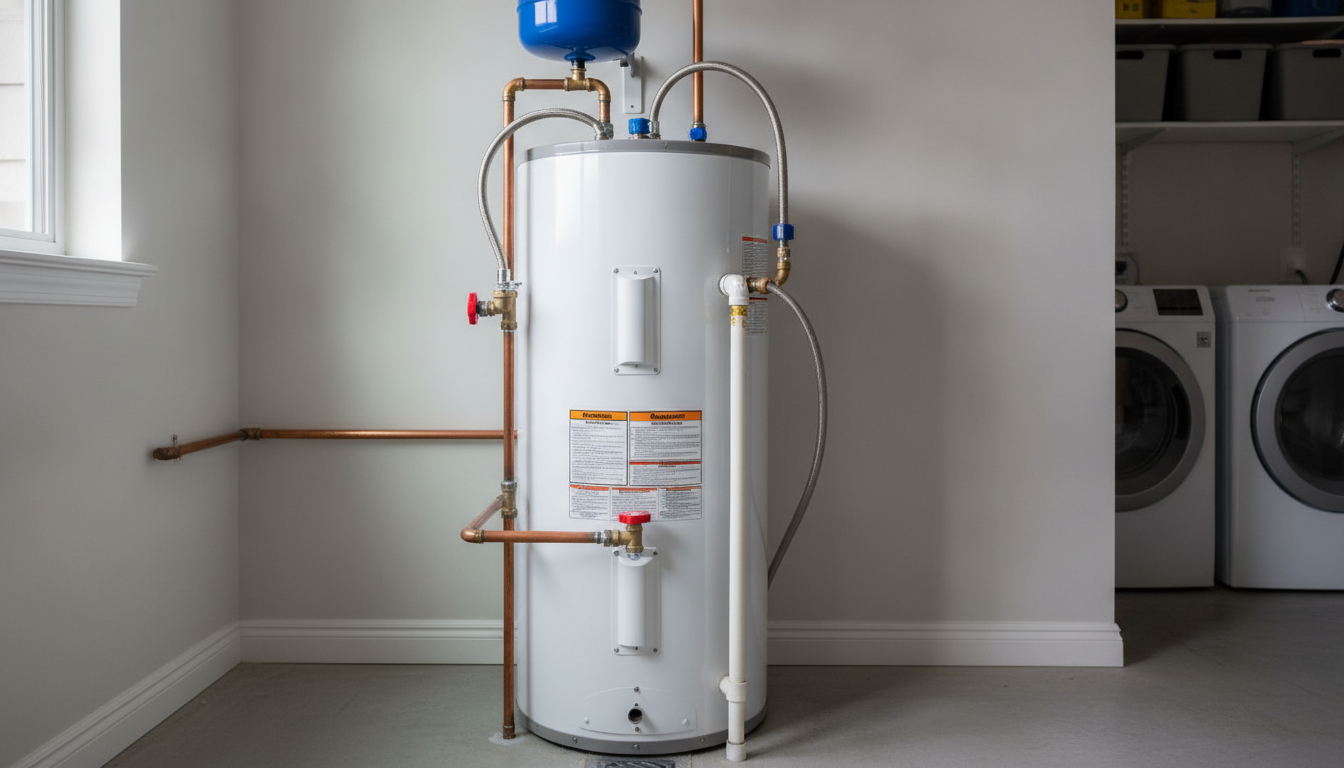
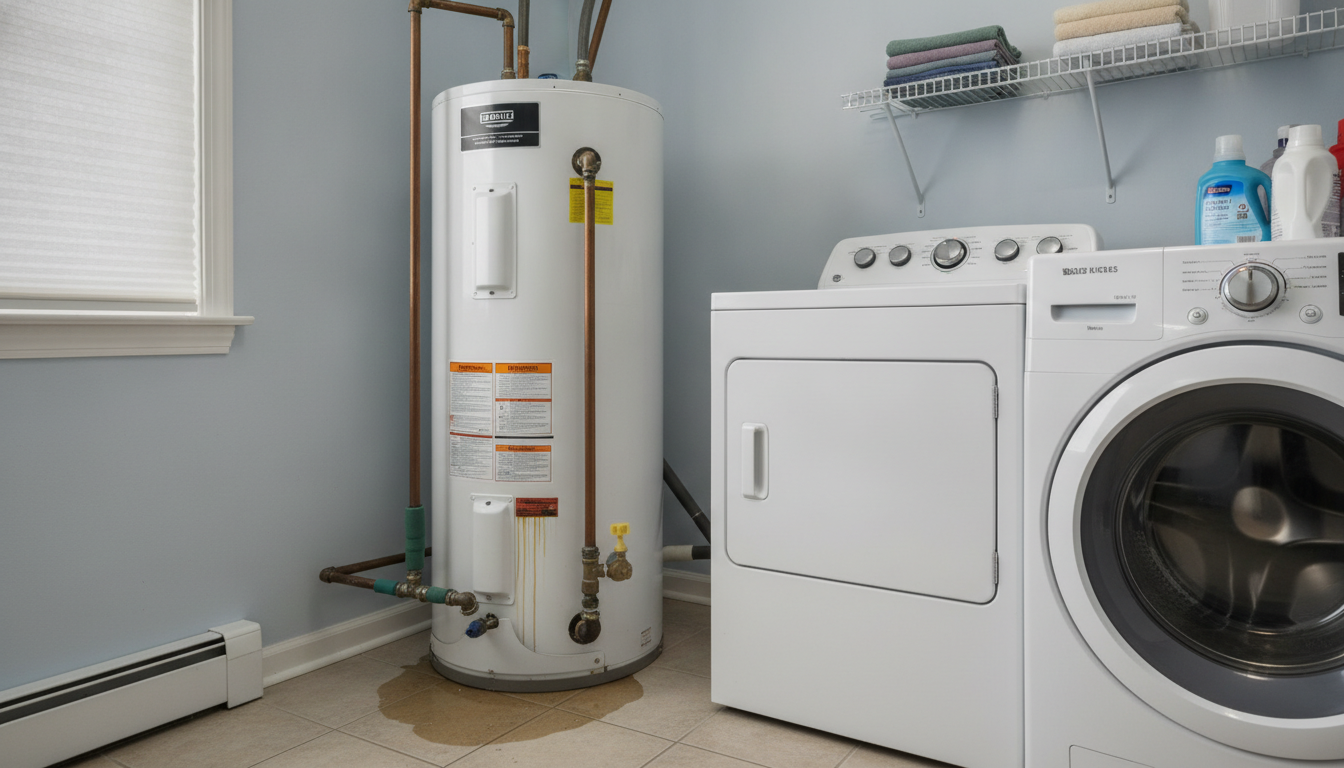
Leaks are the clearest signal to replace rather than repair. A small drip from a valve fitting might be fixable. But if moisture is coming from the tank itself — from the body of the unit — that's tank corrosion, and no repair addresses it. A corroded tank is a ticking clock, and continuing to run it risks water damage to the surrounding area. When a customer in Santa Rosa calls about a puddle under their water heater, the first thing that gets checked is exactly where that water is coming from, because the answer changes everything about what comes next.
What Sediment, Strange Noises, and Inconsistent Heat Are Actually Telling You
A lot of homeowners across Sonoma County and Napa County deal with hard water. The mineral content in the water supply here accelerates sediment buildup inside the tank, and that sediment is behind a surprising number of the symptoms that look like serious problems but aren't always fatal to the unit.
That rumbling or popping noise coming from your water heater? That's almost always sediment. As the water heats up, it forces its way through the layer of mineral deposits at the bottom of the tank, and the resulting sound can be alarming — but it doesn't automatically mean the tank is done. A flush and a thorough inspection can tell you whether the sediment has caused lasting damage or whether it's just a buildup that can be cleared out.
Running out of hot water faster than you used to is a different story. If your household size or usage habits haven't changed, a sudden drop in hot water capacity usually points to one of two things: the heating element is failing, or the unit is simply undersized for current demand. The first is a repair. The second is a conversation about whether your existing tank is the right tool for your home.
Jeremy Dudley approaches these calls the way he describes it — like he's walking into his own family's home. That means taking the time to figure out what's actually going on before recommending anything. At
Brush Creek Plumbing, a water heater service call isn't a pitch. It's a real assessment that gives you the information you need to make a smart decision, not just the one that generates the biggest invoice.
How Water Heater Conversions Fit Into the Repair vs. Replace Decision in Marin County and Beyond
Sometimes the repair vs. replace question opens the door to a third option: conversion. If your current water heater is a traditional tank unit running on one fuel source, a replacement is also an opportunity to upgrade to something that works better for your home and your energy costs. This is especially relevant for customers in Marin County, where utility costs tend to run high and efficiency is a real priority for homeowners making long-term decisions.
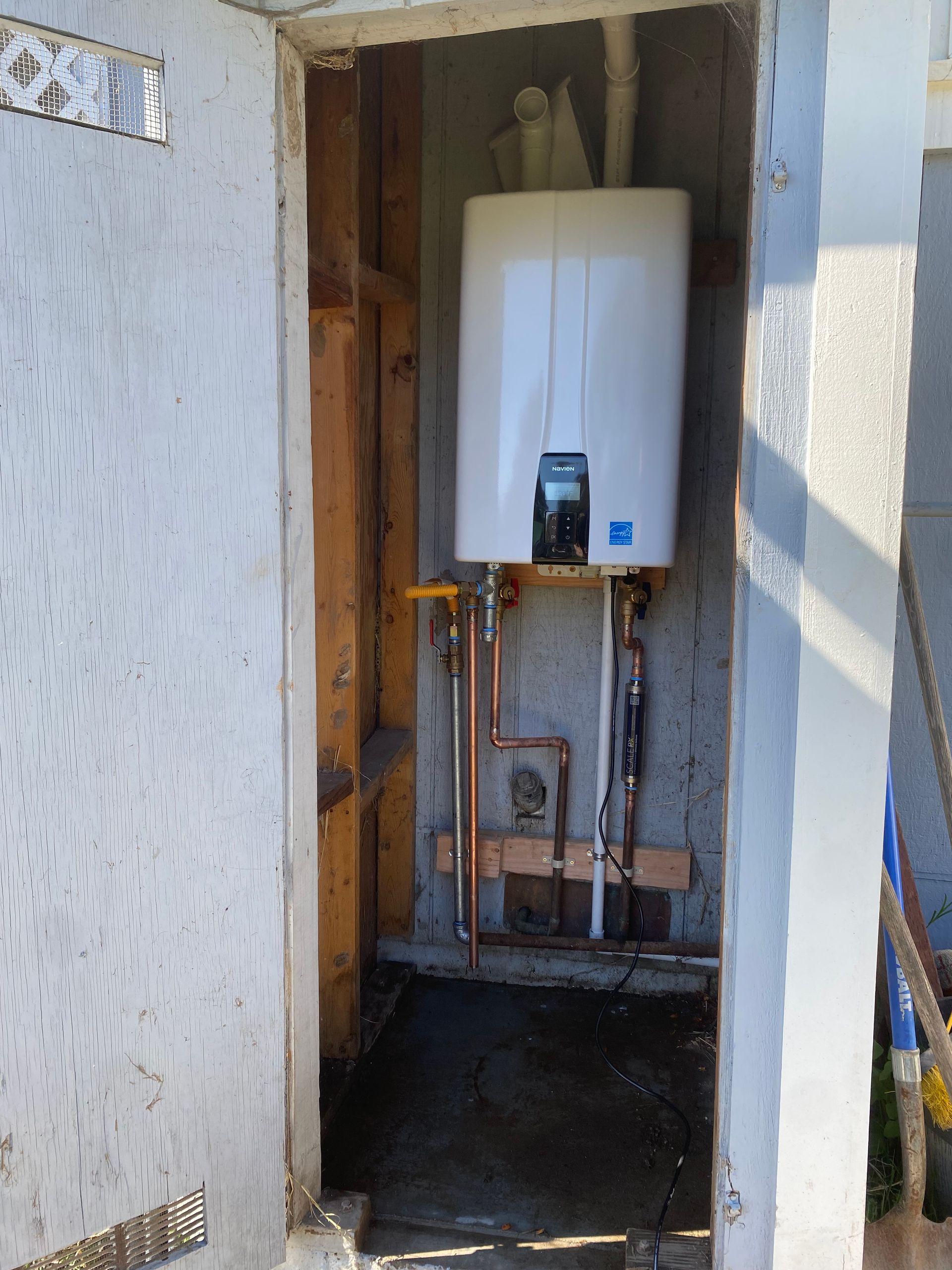
Tankless water heaters, for example, heat water on demand rather than maintaining a full tank at temperature around the clock. For households that have the right gas supply line and venting setup, the transition can meaningfully reduce monthly energy use. Heat pump water heaters are another option that's worth a conversation, particularly in California where rebates and incentive programs have made them more accessible than they were even a few years ago.
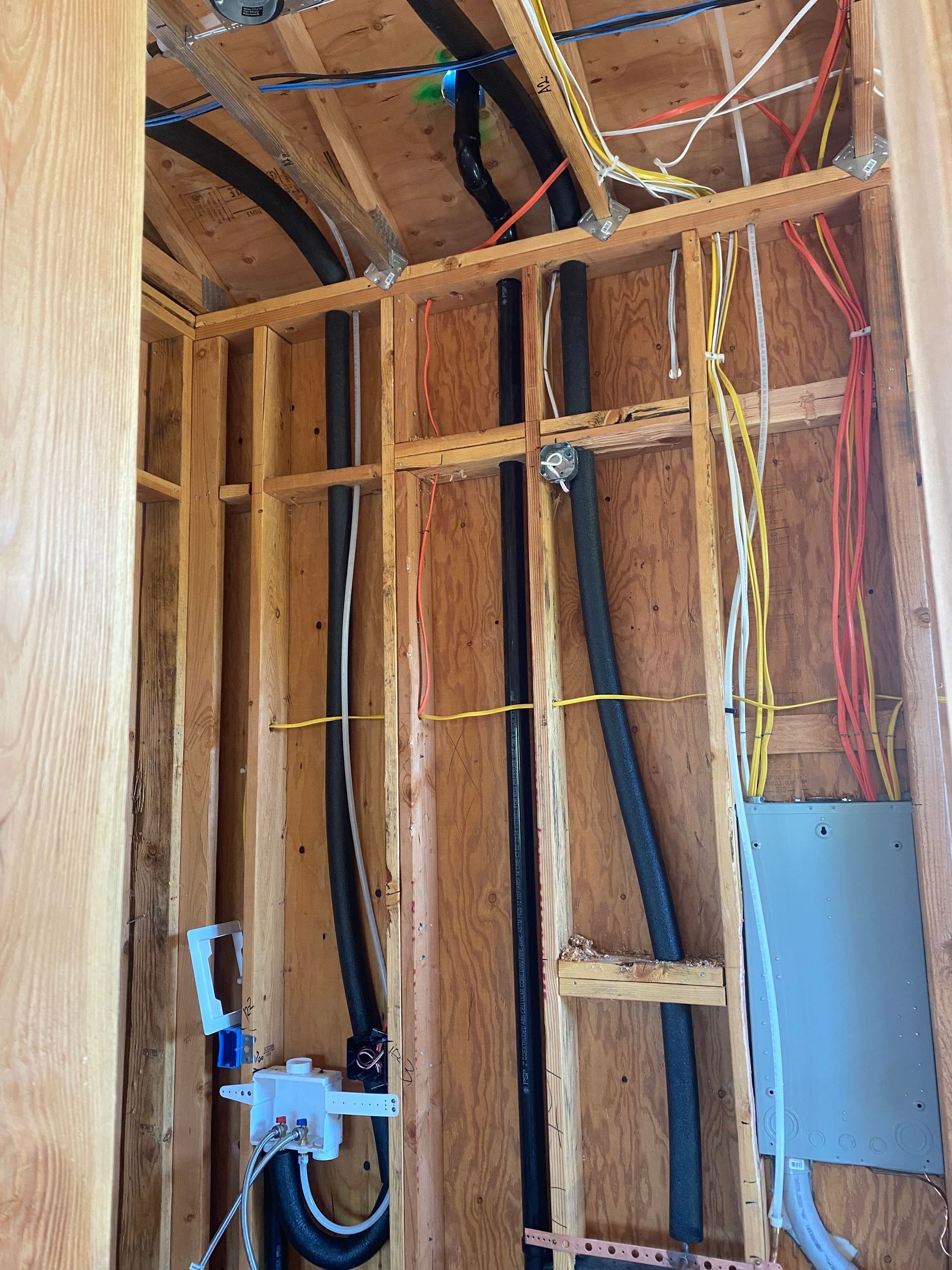
Conversions are more involved than a straight swap, and they're not always the right call depending on your home's existing infrastructure. But if you're already facing a replacement on a unit that's past its useful life, it's worth having a real conversation about whether the replacement should also be an upgrade. Brush Creek Plumbing holds a C-36 plumbing contractor license and has worked across new construction, remodels, and service calls — which means the knowledge base to evaluate your home's specific setup is already there, not something being figured out on the job.
Why the Age-Times-Repair-Cost Rule Keeps More Money in Your Pocket
There's a practical calculation that experienced plumbers use when helping customers decide on when to repair vs replace a water heater, and it's worth knowing. Take the age of the unit in years and multiply it by the estimated repair cost. If that number exceeds roughly half the cost of a new water heater installed, replacement is almost always the smarter financial move. If it falls well short of that threshold, the repair is likely the right call.
This isn't a rigid formula — the condition of the tank, the quality of the original unit, and your specific water usage patterns all factor in. But it gives you a starting point that's grounded in something real, not in what makes the plumber's invoice look best. A family-owned operation that genuinely loves serving the community doesn't have any incentive to give you a number that isn't honest.
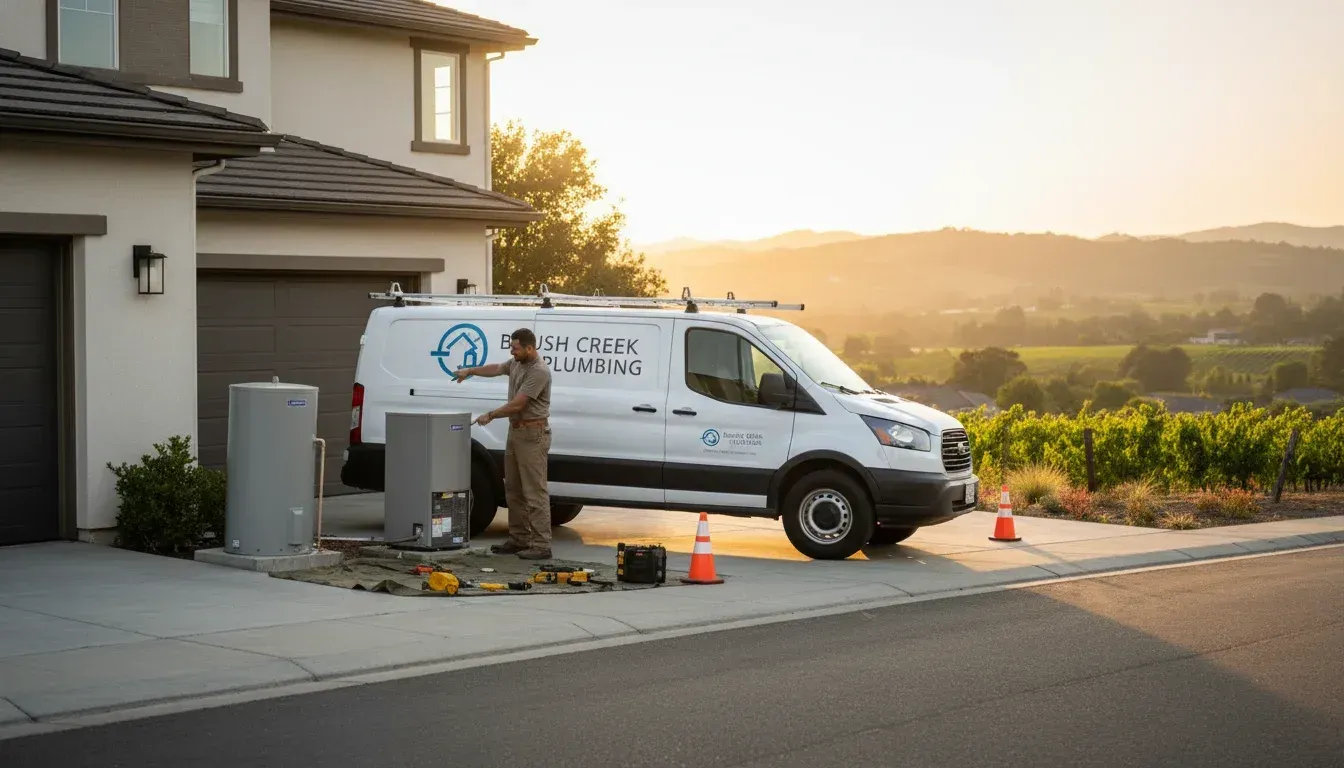
If your water heater is somewhere in that 8-to-11-year range — the gray zone where the unit isn't clearly old enough to scrap but isn't clearly young enough to assume it's fine — a camera inspection of the tank interior and a full system check gives you the clearest picture. Brush Creek Plumbing serves homeowners across Santa Rosa, Napa, San Rafael, Novato, and throughout Marin County, and the approach is the same everywhere: look at what's actually there, explain it plainly, and let you decide from a position of real information.
Tankless vs. Tank: The Honest Breakdown for Sonoma County Homeowners
One of the most common questions that comes up after a replacement recommendation is whether to go back with a traditional tank unit or make the jump to tankless. Both have legitimate advantages depending on the home, and neither is universally the right answer — which is something worth saying out loud given how aggressively some companies push tankless as the obvious upgrade for everyone.
Traditional tank water heaters cost less upfront, are simpler to install in most homes, and are easier to service when something goes wrong. For a household with moderate hot water demand and no plans to renovate in the next several years, a well-chosen tank unit installed correctly does exactly what it needs to do for well over a decade.
Tankless units deliver hot water on demand with no standby heat loss, which translates to real savings on energy over time. They also last longer on average — typically reaching 18 to 20 years with proper maintenance, compared to the 10-to-12-year lifespan of most tank units. But they require adequate gas pressure and flow rates, proper venting, and in some cases electrical upgrades. If your home's infrastructure isn't already set up for it, the installation cost is higher than a straightforward tank swap.
The right answer depends on your home's actual setup, not on a general preference. That's the kind of specificity that comes from 9+ years of plumbing experience across residential new construction, remodels, and service work — and it's what you get when the person making the recommendation has no reason to steer you toward the more expensive option just because it's available.
Get an Honest Assessment From a Plumber Who Treats Your Home Like His Own
Jeremy Dudley opened the doors to Brush Creek Plumbing in January 2025 with a small crew, a C-36 contractor license earned in July 2024, and a straightforward commitment: no price gouging, no upselling, no low-quality work. That commitment didn't come from nowhere — it came from years of watching how some companies operate and deciding there was a better way to run a plumbing business in this community.
If your water heater is giving you trouble and you're not sure whether you need a repair, a replacement, or a conversion, the best next step is a real assessment from someone who's going to tell you the truth. Brush Creek Plumbing serves homeowners throughout Santa Rosa, Napa, Marin County, and across Sonoma, Solano, and surrounding counties — and the standard is always the same: honest answers, quality work, and fair prices. That's not a slogan. It's the whole point.
Table of Contents
SHARE THIS