Switching to an Electric Water Heater — What Sonoma & Marin County Homeowners Need to Know


By  • October 9, 2026

Switching to an electric water heater sounds simple until you're knee-deep in questions about panel upgrades, venting, and whether your current setup will even support the change. Jeremy, the Napa-native owner of Brush Creek Plumbing, has walked plenty of Sonoma and Marin County homeowners through exactly this decision — and his approach is always the same: tell you exactly what you need, and exactly what you don't. If you're weighing a water heater replacement or conversion in the North Bay, this guide covers the real stuff — no fluff, no upselling.

Why So Many Homeowners Are Thinking About Going Electric

If you've been hearing a lot about electric water heaters lately, you're not imagining it. California's energy policies have been steadily pushing toward electrification, and water heating is one of the biggest energy uses in any home. Sonoma County and Marin County homeowners are seeing it firsthand — whether it's through utility incentives, new construction requirements, or just the rising cost of natural gas on the monthly bill.

But here's the thing: switching from gas to electric water heater isn't just a swap. It's a change to how your home is wired, vented, and powered. Some homes are ready for it tomorrow. Others need a few upgrades first. That's not a scare tactic — it's just the honest picture.

The most common driver we see is a gas water heater that's aging out. Rather than replace gas with gas, more homeowners are asking whether now is the right time to make the jump. For many, it is. Heat pump water heaters in particular have gotten very good — they use a fraction of the energy of a traditional electric resistance unit, and they qualify for state and federal rebates through programs like the California Energy Commission's Clean Energy incentives. That's real money back in your pocket.

The other driver is peace of mind. No gas line, no pilot light, no combustion air concerns. For a finished basement, a tight utility closet, or anywhere ventilation is a headache, electric can be a genuinely better fit. Marin County homes especially — older craftsman layouts with cramped utility spaces — often benefit from rethinking the whole setup.

Whatever's pushing you toward this decision, the right first step is understanding what the switch actually involves. That's what the rest of this article covers.

Switching from Gas to Electric Water Heater — What to Expect Before Installation Day

If you've been Googling "switching from gas to electric water heater what to expect," you've probably found a lot of vague answers. Here's a cleaner breakdown.

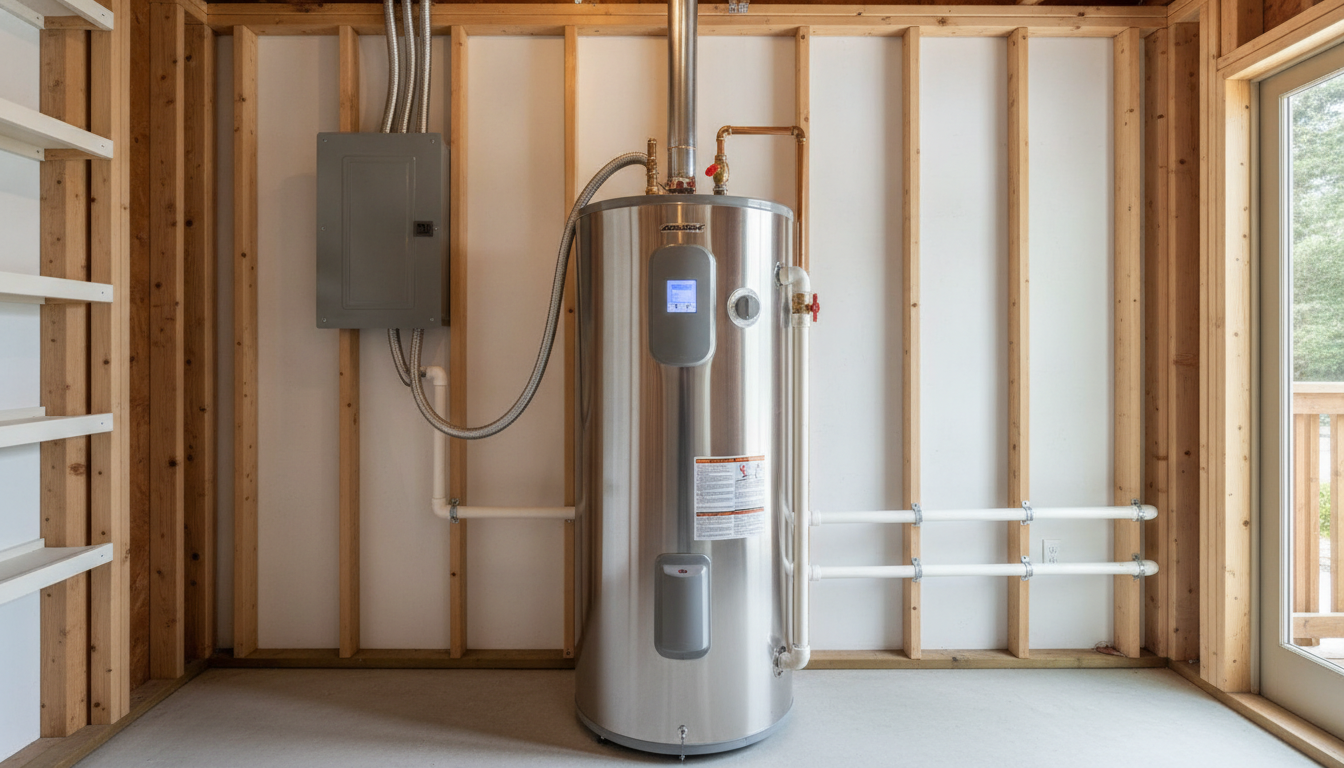
First, your electrical panel. A traditional electric resistance water heater typically runs on a 240-volt dedicated circuit. If you don't already have one, your electrician will need to add it. A heat pump water heater has similar requirements, though the actual amperage draw is lower during operation. Either way, this is a job that involves both a plumber and an electrician — they're different licenses, different scopes of work. We handle the plumbing side; you'll want a licensed electrician coordinating on the electrical.

Second, the space requirements. Heat pump water heaters are larger than standard tanks and need room to breathe — they pull heat from the surrounding air, so a cramped closet won't work well. Many require a minimum of several hundred cubic feet of air space around them. If you're in a smaller home or converting a tight utility area, that matters. A standard electric resistance unit is more compact, but it also costs more to run long-term.

Third, what happens to your gas line. In most cases, it gets capped. That's a straightforward part of the job — but it does need to be done correctly and inspected. Leaving an uncapped or improperly decommissioned gas line is one of those corners that some outfits cut. We don't.

Fourth, the permit. California requires permits for water heater replacements and conversions. This protects you. An unpermitted water heater install can cause problems when you sell your home or make an insurance claim. Anyone telling you permits aren't necessary is either wrong or working fast to avoid scrutiny.

What the Installation Actually Looks Like for Sonoma and Marin County Homes

North Bay homes come in a wide range of ages and configurations. Windsor and Rohnert Park neighborhoods have a lot of tract homes from the '70s and '80s with straightforward utility rooms. Older Petaluma bungalows and Healdsburg farmhouses are a different story — sometimes you're working around original copper that's seen better days, or a water heater tucked into a spot that made sense in 1952 but not in 2025.

Marin County adds another layer. Tiburon, Mill Valley, and San Anselmo homes can have steep lots, hillside utility configurations, and older service panels that weren't designed for the electrical loads of modern appliances. That doesn't mean electric is the wrong choice — it just means the assessment matters.

At
Brush Creek Plumbing, we look at your home's actual plumbing system before we recommend a path forward. That means checking your existing water lines, the condition of your current unit, whether your expansion tank (if you have one) is still doing its job, and how the new unit will tie into your system. We're not here to sell you the most expensive option. We're here to tell you what your home actually needs.

For homes with older galvanized or corroded supply lines near the water heater, it often makes sense to address those at the same time. It's easier to do it while the heater is already out. We'll tell you if we see something worth addressing — and we'll also tell you if something can wait.

Heat Pump vs. Standard Electric — Which One Makes Sense for You

This is the question most homeowners get to after they've decided to go electric. And it's a fair one, because the two options work quite differently.

A standard electric resistance water heater is simpler. It heats water directly using electric elements, much like a big electric kettle. It's reliable, relatively compact, and less expensive upfront. The downside is operating cost — it uses more electricity per gallon of hot water than a heat pump unit.

A heat pump water heater works more like a refrigerator in reverse. It pulls heat from the surrounding air and transfers it to the water. This makes it much more efficient — significantly more so than electric resistance. The tradeoff is that it costs more upfront, it's physically larger, and it needs adequate space and air volume to work properly. It also makes a low hum while it runs, which is worth knowing before it's installed in an attached garage next to a bedroom wall.

For Sonoma County homeowners with a garage or large laundry room, a heat pump water heater often makes a lot of sense, especially with available rebates. For Marin County homes where space is at a premium, a standard electric unit might be the smarter fit — or a hybrid setup might bridge the gap. There's no single right answer. It depends on your home, your usage, and your priorities.

Jeremy has worked across both counties long enough to know that the honest answer here isn't one-size-fits-all. What we can do is walk through your specific situation with you and give you a real recommendation — not one shaped by what has the highest margin for us.

The Price Gouging Problem — And Why It Matters When You're Replacing a Water Heater

Water heater replacements are one of the more common scenarios where homeowners get taken advantage of. The unit fails on a cold morning, you're calling around in a hurry, and suddenly you're getting quotes that are wildly inconsistent. Some of those high numbers aren't reflecting better work. They're reflecting a company that decided your urgency was their opportunity.

That's the exact thing Brush Creek Plumbing was built to push back against. Jeremy started this company because he'd seen that pattern in the industry — companies charging well over market value, using cheaper components while billing for quality, and leaving homeowners with no real understanding of what they got or why it cost that much. It bothers him. A lot.

Honest and fair pricing doesn't mean the cheapest number on the page. It means the price reflects the actual work, the right materials, and a job done properly the first time. When we give you a quote for an electric water heater replacement or conversion, we'll explain what's in it. If something costs more because of your home's specific situation — a panel upgrade needed, a permit required, a difficult access point — we'll tell you that upfront, not surprise you after the fact.

You deserve to understand what you're paying for. That's not a sales pitch. It's just how honest work gets done.

Ready to Make the Switch? Here's How to Move Forward

If you're in Sonoma County, Marin County, or anywhere across the North Bay and you're thinking about making the move to an electric water heater, the best first step is a real conversation about your home's setup. Not a hard sell. Not a form that generates a generic quote. Just a straightforward look at what you have and what would actually serve you well.

Brush Creek Plumbing holds a C-36 plumbing contractor license and carries a wide array of plumbing knowledge — from water heater replacements and conversions to whole-home repiping and everything in between. Jeremy and the crew love this work, and they love doing it right for the communities they grew up in and around. When we're in your home, we treat it the way we'd treat our own family's house.

Give us a call at (707) 931-9481 or reach out at brushcreekplumbing@gmail.com. Whether you're ready to schedule or just want to ask a few questions first, we're happy to talk it through — no pressure, no runaround.

Table of Contents

No headings found on this page.
Need a plumber?

We're local. We're fast. Let's talk.

SHARE THIS

Latest Posts

Two water heaters and pipes in a utility basement room
September 25, 2026
Wondering what a water heater replacement actually involves? Brush Creek Plumbing walks you through every step so you know exactly what to expect — no surprises, no upselling.
Laundry room with water heater, dryer, and front-loading washing machine beside a window
September 11, 2026
Not sure if your water heater needs a repair or a full replacement? Brush Creek Plumbing breaks down the signs, the costs, and how to make the right call before you spend more than you have to.
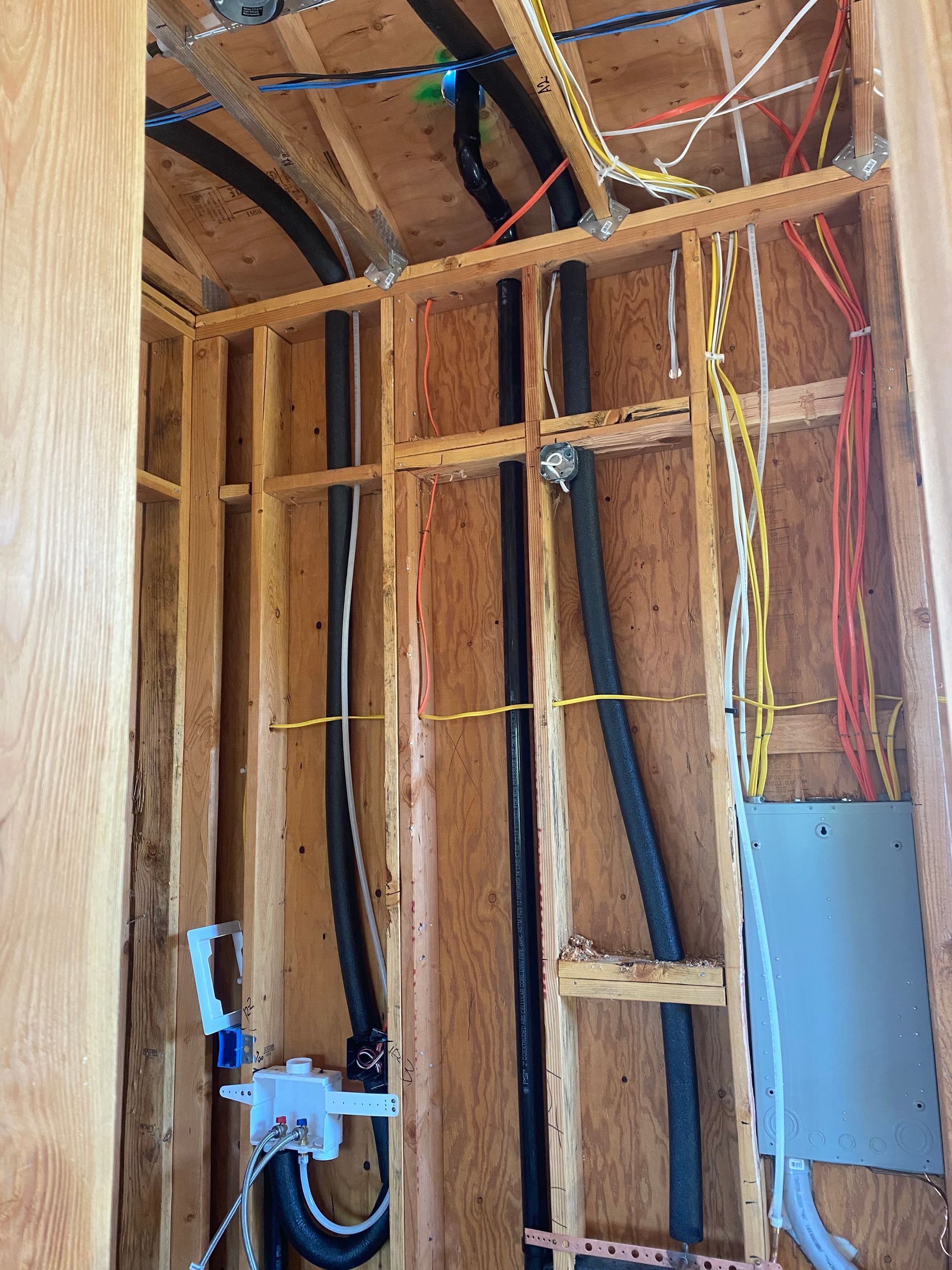
Wall-mounted white boiler in a narrow unfinished utility closet with exposed pipes and wiring.
By Brush Creek Plumbing • August 28, 2026
Not sure if a tankless water heater is worth it for your home? Brush Creek Plumbing breaks down the real differences, costs, and what actually makes sense for homeowners in Santa Rosa and beyond.
White water heater in a laundry/utility room beside a washer and dryer, with blue expansion tank above.
August 14, 2026
Need a water heater installed in Sonoma? Brush Creek Plumbing brings 9+ years of hands-on experience, honest pricing, and C-36 licensed craftsmanship to every job. Call today.
By Brush Creek Plumbing • May 4, 2026
Building a new home in Sonoma County? Get honest answers about plumbing codes, costs, timelines, and what to look for in a new construction plumbing contractor near you.
By Brush Creek Plumbing • April 4, 2026
Brush Creek Plumbing uses camera inspection technology to find hidden plumbing problems before they become expensive disasters. Serving Marin County, Sonoma County, Napa County, and beyond.
By Brush Creek Plumbing • April 4, 2026
Slow drains, bad smells, or gurgling pipes? Learn the 5 warning signs you need professional drain clog cleaning in Sonoma County and when to call Brush Creek Plumbing.
By Josh Anderson • April 4, 2026
Not sure if your water heater needs replacing? Brush Creek Plumbing breaks down the warning signs, what to expect from a conversion, and how to avoid getting overcharged in Napa, Sonoma, and Marin County.
By Brush Creek Plumbing • April 3, 2026
Rheem or AO Smith — which water heater actually lasts in a real home? Brush Creek Plumbing breaks down both brands honestly so you can make the right call before spending a dime.
By Brush Creek Plumbing • April 3, 2026
Comparing heat pump water heater cost to traditional tank options in Sonoma and Napa County? Brush Creek Plumbing breaks down the real differences so you can make the right call for your home.
Show More