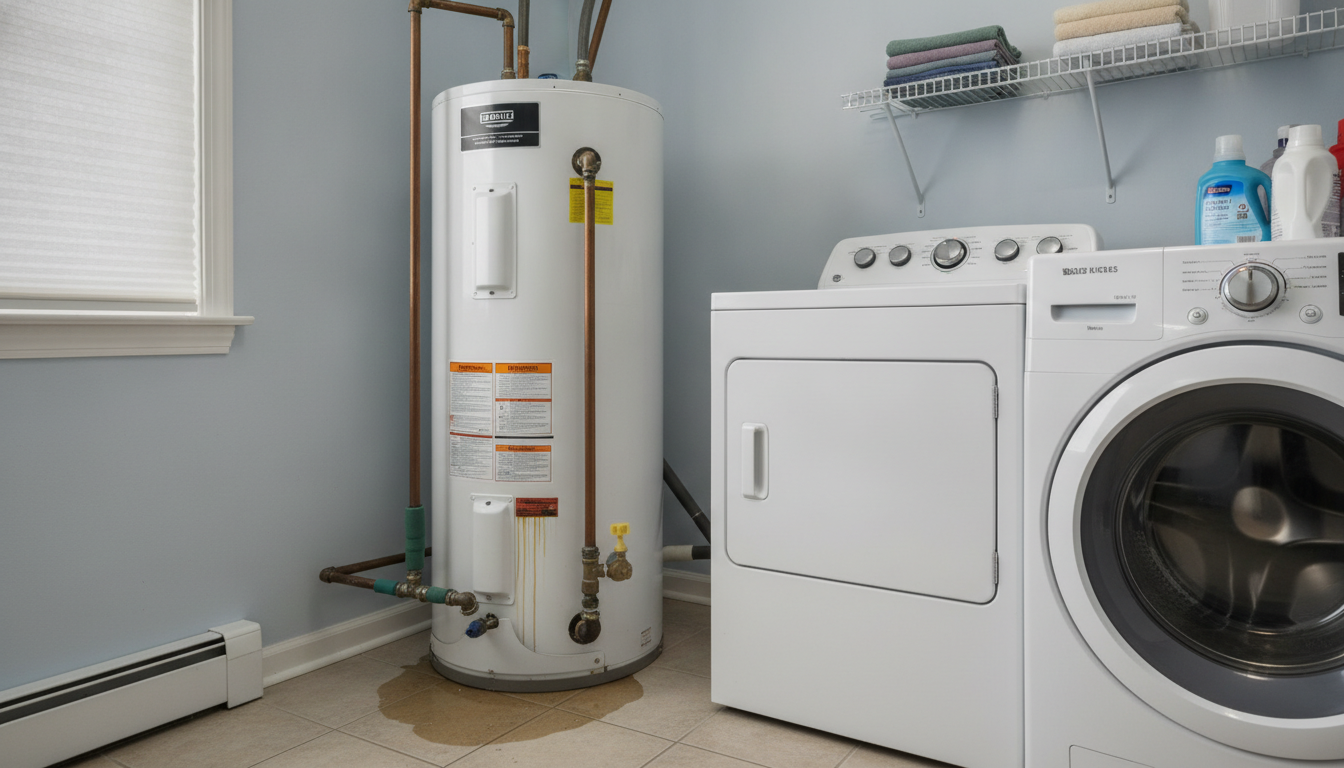
When to Replace Your Water Heater: Signs Every Homeowner Should Know


By  April 4, 2026

With 9 years of consecutive plumbing experience behind him, Jeremy Dudley built Brush Creek Plumbing around one simple idea: homeowners deserve honest answers about what their systems actually need — not an upsell. If you've been wondering whether your water heater is on its last legs, you're not alone. It's one of the most common calls coming in across Santa Rosa, Napa, and Marin County, and it's also one of the areas where homeowners get taken advantage of most. This article walks you through the real signs that a water heater replacement is overdue, what a conversion actually involves, and how to know you're getting a fair deal.

How to Tell Your Water Heater Is Done — Before It Fails on You

Most water heaters don't announce their retirement loudly. They fade out gradually, giving you a string of small signs that are easy to brush off until you're standing in a cold shower at 6 a.m. or worse — dealing with a flooded utility room. Knowing what to look for can save you from that scenario entirely.

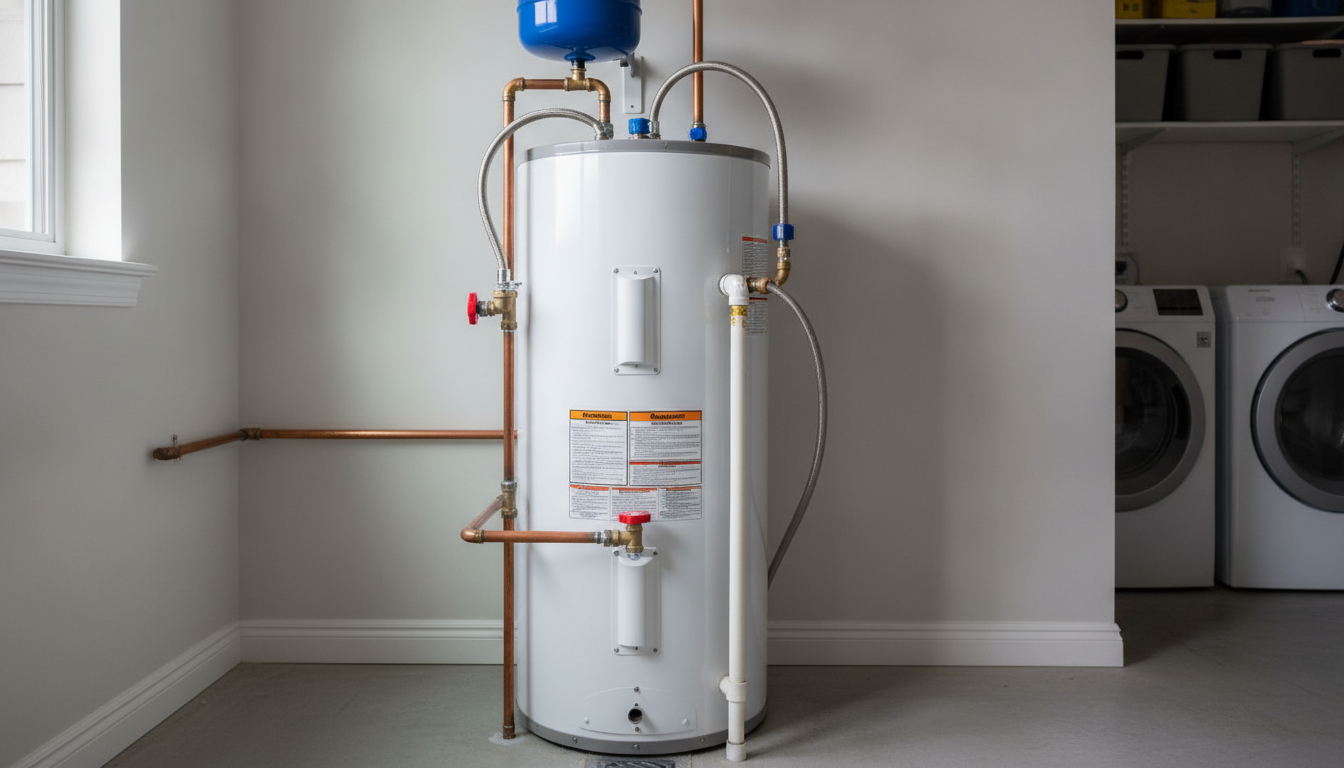
The first thing to check is age. A traditional tank water heater has a realistic service life of around 8 to 12 years under normal conditions. If yours is past that range, it doesn't matter if it's technically still running — the failure risk increases significantly every year past that window. You can find the manufacture date on the label near the top of the unit. It's usually embedded in the serial number, and the manufacturer's website can help you decode it.

Beyond age, pay attention to the water coming out of your taps. If it looks discolored — especially a rusty or brownish tint — that's a sign the interior of your tank is corroding. Once that process starts, it doesn't stop. Rusty water is not a flush-and-forget situation. It means sediment and oxidized metal are circulating through your home's plumbing, and no amount of maintenance reverses a tank that's rusting from the inside.

Unusual sounds are another giveaway. A healthy water heater is quiet. If yours has started making popping, rumbling, or banging sounds when it heats up, that's sediment buildup hardening at the bottom of the tank and forcing the heating element to work harder. That extra strain shortens the unit's remaining life and drives up your energy costs in the meantime.

Finally, watch your utility bills. A water heater that's struggling to maintain temperature draws more energy to do the same job. If your gas or electric bills have crept up without a clear explanation, your water heater could be the culprit. An honest assessment from a licensed plumber — not a sales pitch — is the fastest way to know for sure.

Tank vs. Tankless: What a Conversion Actually Involves

If your water heater is due for replacement, you'll face a real decision: replace it with the same type, or convert to a tankless system. It's a question worth thinking through carefully, and the right answer depends on your home's setup, your household size, and your long-term goals for the property.

Traditional tank water heaters store a set volume of hot water — commonly 40 to 50 gallons — and keep it hot around the clock. That constant heating cycle uses energy whether you're drawing hot water or not. Tankless systems, by contrast, heat water on demand as it flows through the unit. There's no standby heat loss, which can lower energy consumption noticeably over time. The tradeoff is a higher upfront cost and, in some homes, the need for upgraded gas lines or electrical service to support the unit's demand load.

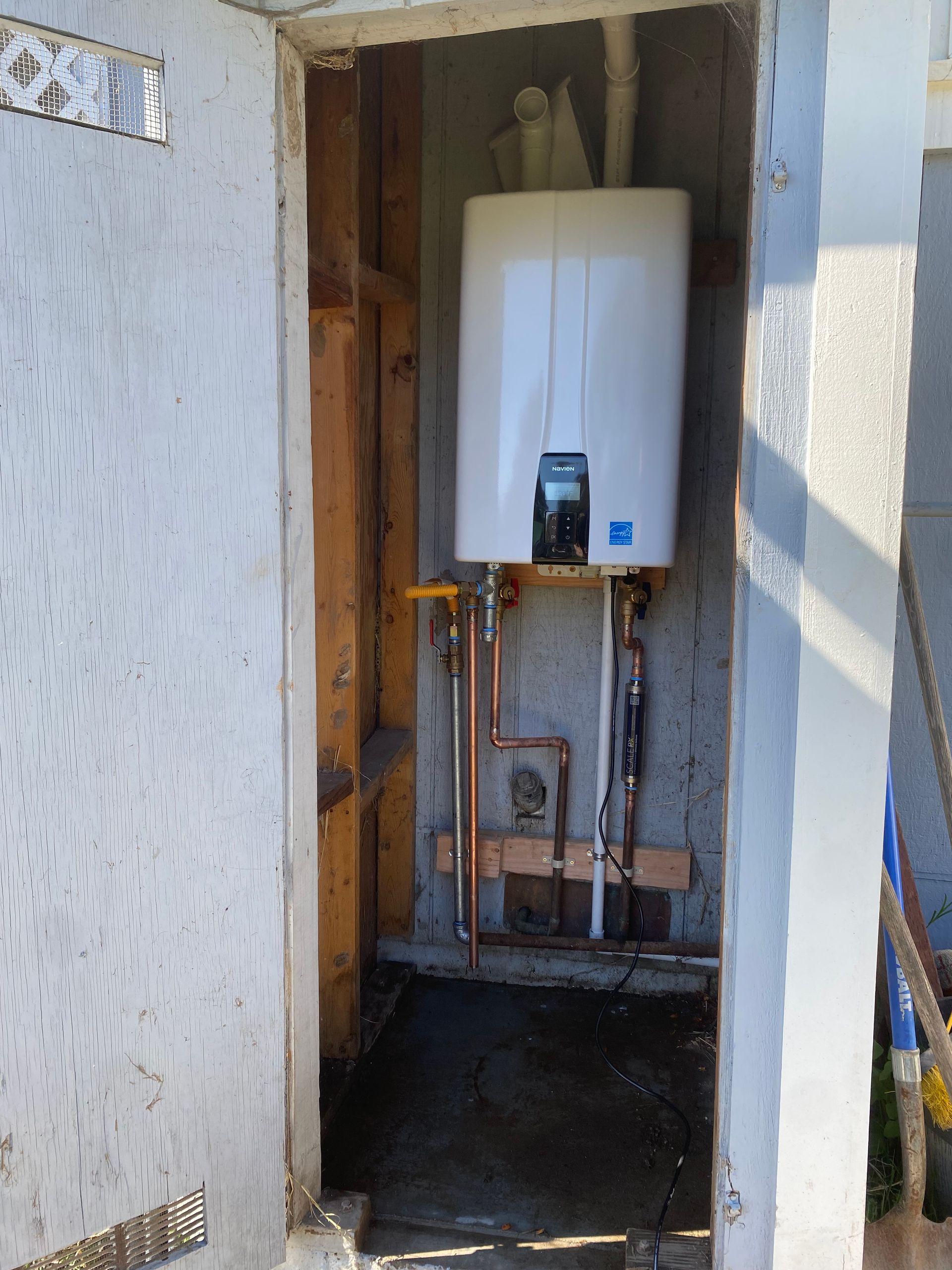
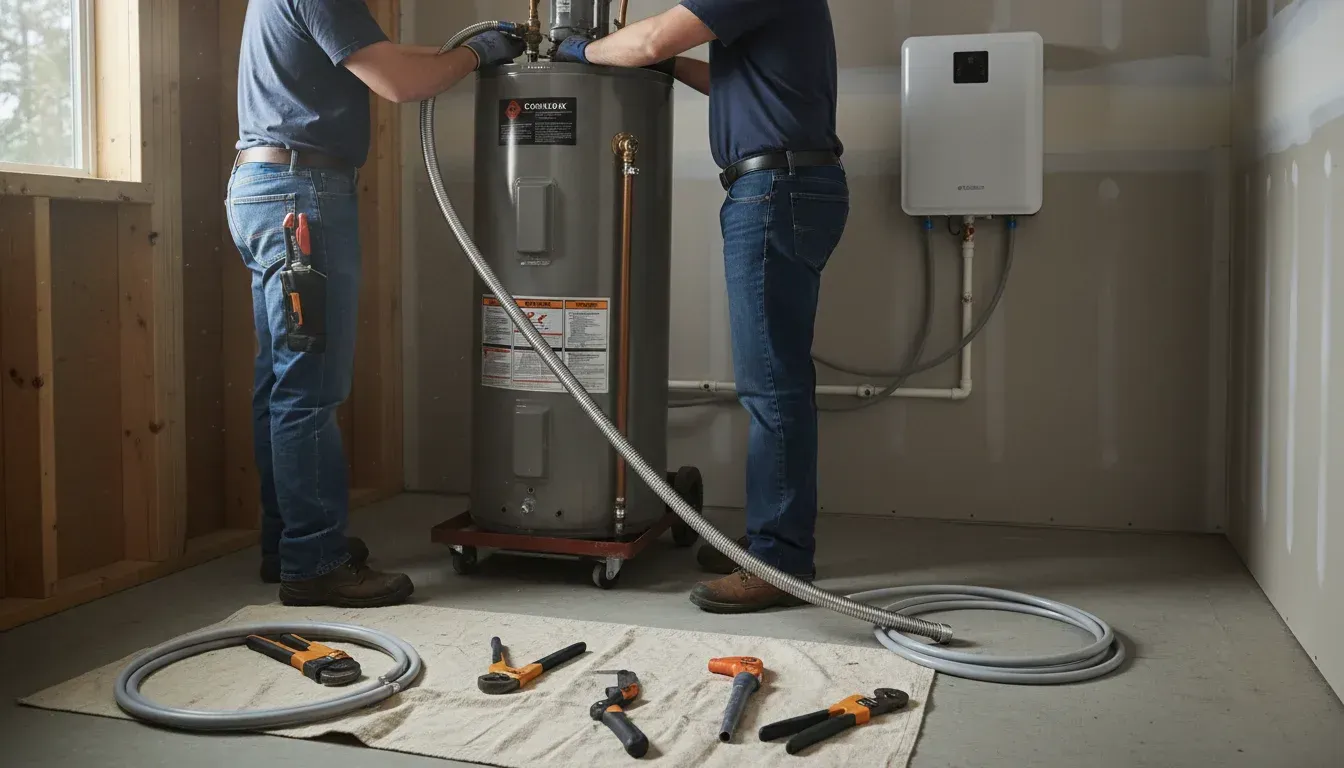
A conversion from tank to tankless isn't a drop-in swap. It involves relocating or reconfiguring gas or electrical connections, installing proper venting for the new unit, and in some cases running a dedicated line to support the flow rate. That's work that requires a C-36 licensed plumbing contractor — not a handyman with a YouTube education. Brush Creek Plumbing holds that license and handles the full scope of the conversion, from disconnecting the old unit to testing the new system under real household load conditions.

For homeowners in Marin County and Napa County who are looking at whole-home efficiency upgrades, a tankless conversion often pairs well with recirculating systems. A recirculating pump keeps hot water ready at the tap without running water down the drain while you wait for it to heat up — a meaningful upgrade in larger homes or properties with long pipe runs. You can explore the full range of services and get a clear picture of what's involved at Brush Creek Plumbing's website.

Why Marin County and Wine Country Homes Have Specific Water Heater Challenges

The service area Brush Creek Plumbing covers stretches from Solano County through Sonoma and Napa and into Marin County — and the homes across that region aren't all dealing with the same conditions. That matters when you're deciding what kind of water heater makes sense for your specific property.

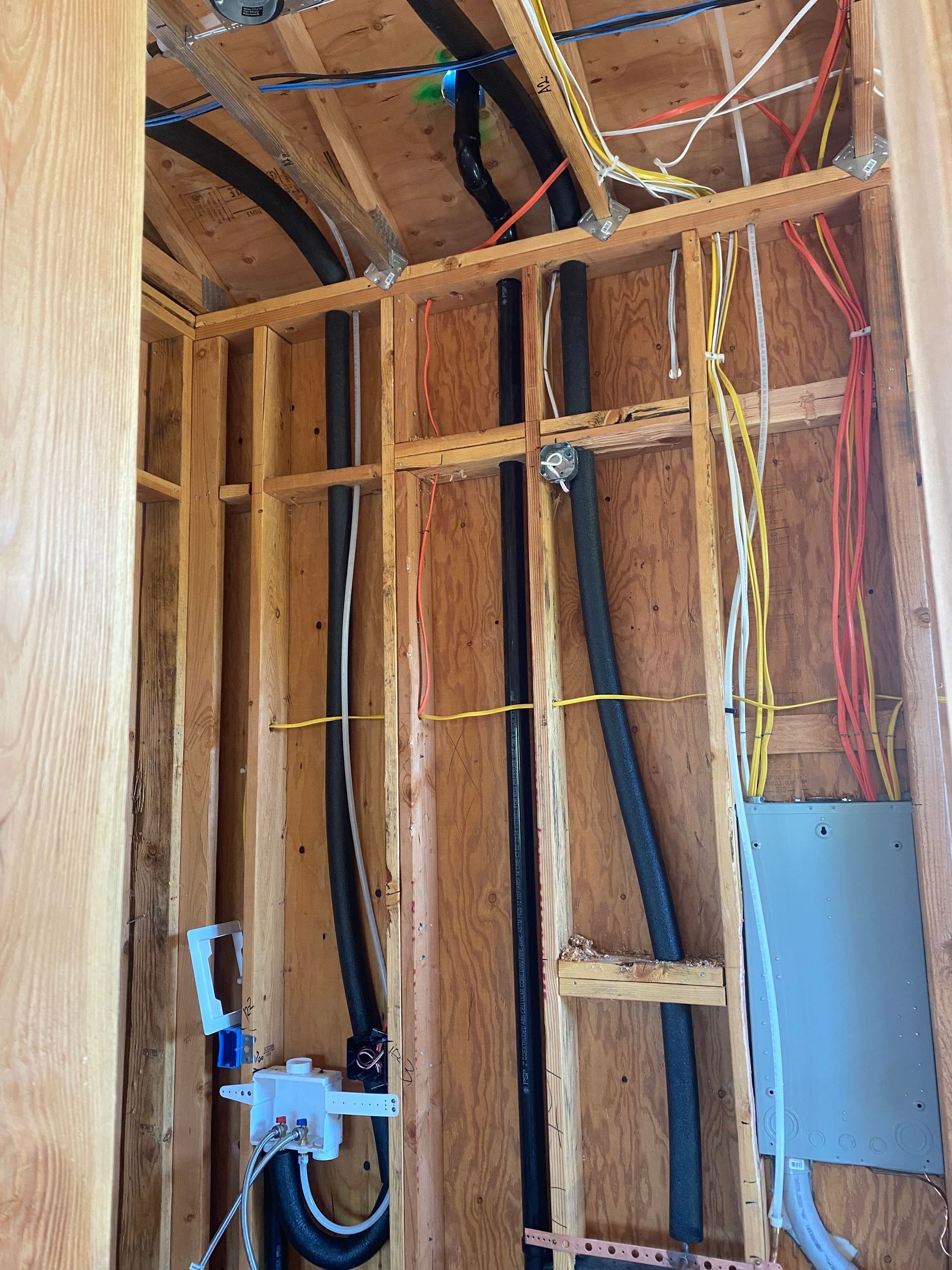
Marin County homes, especially in areas like Tiburon, Sausalito, and Mill Valley, often feature older construction with plumbing infrastructure that hasn't been touched in decades. Swapping in a modern water heater — particularly a tankless unit — in a home with older gas lines or galvanized supply pipes requires a careful assessment first. Rushing that step is how you end up with a new unit that underperforms or, worse, creates a safety issue.

In the Napa Valley corridor — St. Helena, Yountville, Calistoga — many properties sit on well water or have high mineral content in their supply. Hard water accelerates sediment buildup inside tank heaters and can reduce the efficiency of tankless units if a proper filtration or softening system isn't in place. Jeremy Dudley grew up in Napa and has worked on these systems throughout the valley for the better part of a decade. That regional familiarity isn't something you get from a franchise operation dispatching technicians from a call center.

Sonoma County homes — particularly in Guerneville, Sebastopol, and the older neighborhoods of Santa Rosa — often have mixed-era plumbing that requires a flexible approach. What works in a 2020 new construction doesn't automatically apply to a 1960s house with copper supply lines and cast iron drain systems. A water heater replacement in those homes benefits from a plumber who understands the full picture of how the system is connected, not just the appliance being swapped out.

The Price Gouging Problem — and What Fair Actually Looks Like

Here's something worth saying plainly: water heater replacement is one of the most overpriced services in residential plumbing. It's a high-visibility job — homeowners feel the urgency when the hot water stops — and some companies exploit that urgency to charge well above what the work is actually worth.

Brush Creek Plumbing was built specifically to push back against that. Jeremy started this company because he watched homeowners get quoted prices that had no relationship to the actual cost of parts and labor — and then accept those quotes because they didn't know what fair looked like. The business opened its doors in January 2025 with a crew of three people who all share the same standard: treat every customer's home the way you'd want your own family's home treated.

What fair pricing looks like in practice: a straight quote that covers the unit, the labor, and any required materials — with a clear explanation of what each line item is for. No inflated "diagnostic fees" that conveniently disappear if you book the job. No upselling to a premium unit when a standard replacement is what your home actually needs. No vague labor estimates that balloon after the work starts.

That transparency extends to the product itself. Not every home needs the most expensive tankless system on the market. Sometimes a quality mid-range tank replacement is the right call — better reliability, lower cost, and a straightforward installation. The goal is to match the solution to the actual situation, not to maximize the invoice.

If you've gotten a quote that felt high and you're not sure whether to trust it, getting a second opinion costs you nothing. A licensed plumber who's willing to walk you through the reasoning behind every line item is usually a good sign you're dealing with someone who has nothing to hide.

What Happens During a Water Heater Replacement — Step by Step

Knowing what the process looks like helps you feel confident about what you're agreeing to. A straightforward tank replacement in a home with accessible plumbing and proper connections typically takes a few hours from start to finish. A tankless conversion or a job involving older infrastructure will take longer — and any plumber who promises otherwise before seeing the site is guessing.

The process starts with a site assessment. The plumber looks at the existing unit, the connections, the venting, the available space, and the condition of the surrounding plumbing. This is where any complications get identified before work begins — not halfway through the job.

Once the scope is confirmed, the old unit gets drained and disconnected. This involves shutting off the water supply, releasing pressure, and safely draining the tank — a step that also gives the plumber a clear look at the condition of the water in the tank, which can tell you a lot about the state of the surrounding pipes.

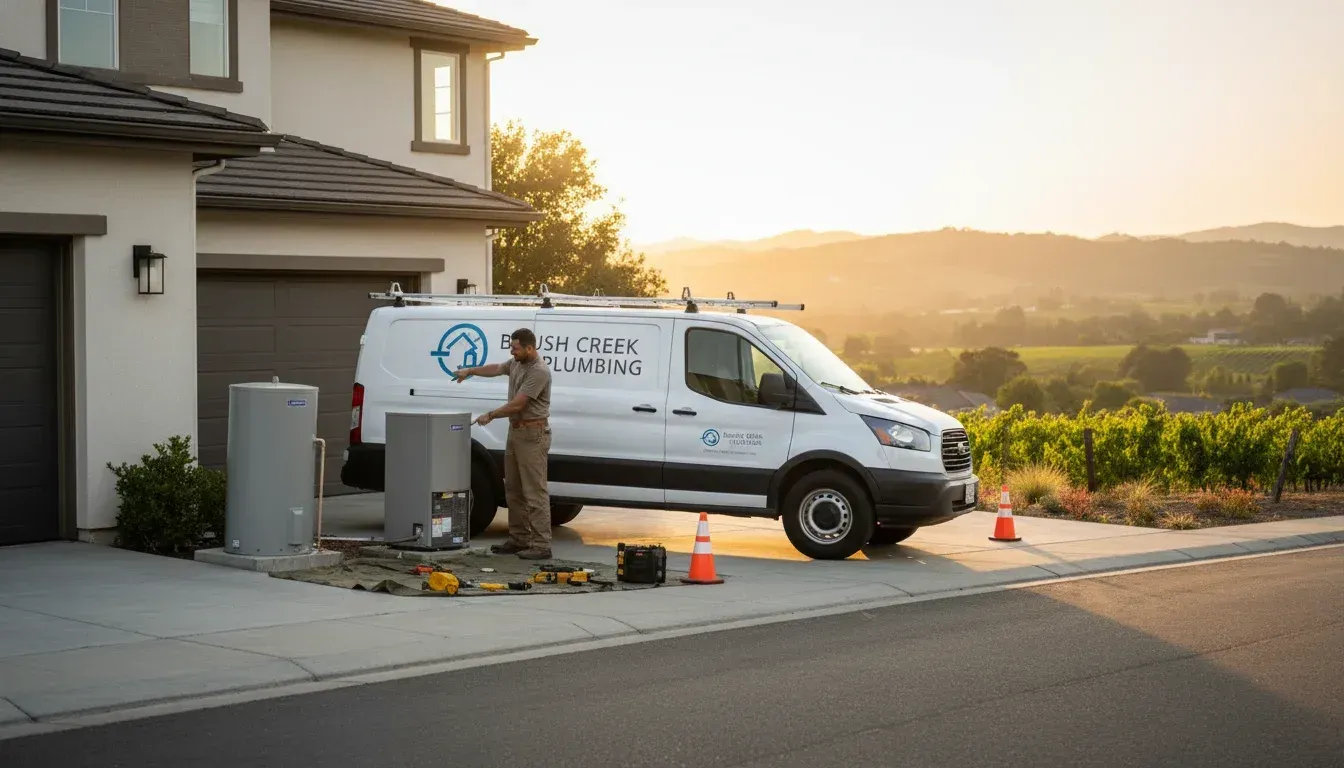
The new unit goes in, connections are made, and the system gets tested under real operating conditions before the plumber leaves. That means checking for leaks at every joint, verifying the temperature and pressure relief valve is functional, and confirming the unit is heating to the correct setpoint. With a gas unit, that also means checking for any combustion or venting issues.

Brush Creek Plumbing's team of three handles all of this with the kind of attention that comes from actually caring about the work — not rushing to the next ticket on a dispatcher's list. That's not a marketing line. It's the reason a small crew with deep local roots tends to outperform larger operations on the jobs that matter most.

Getting a Straight Answer Before Your Water Heater Becomes an Emergency

Jeremy Dudley holds a C-36 plumbing contractor license and has spent more than 9 years working across Sonoma, Napa, Marin, and Solano counties. He didn't start Brush Creek Plumbing to be the biggest plumbing company in the region — he started it to be the most honest one. That means giving you a real assessment of your water heater's condition, a fair quote for whatever it needs, and the kind of craftsmanship that holds up long after the job is done.

Your water heater works quietly in the background until it doesn't. The best time to get it looked at is before you're dealing with a cold shower or a flooded utility closet. Call Brush Creek Plumbing at (707) 931-9481 or reach out at brushcreekplumbing@gmail.com to schedule an honest assessment — no pressure, no upsell, just a straight answer about what your system needs.

Table of Contents

No headings found on this page.
Need a plumber?

We're local. We're fast. Let's talk.

SHARE THIS

Latest Posts

By Brush Creek Plumbing April 4, 2026
Brush Creek Plumbing uses camera inspection technology to find hidden plumbing problems before they become expensive disasters. Serving Marin County, Sonoma County, Napa County, and beyond.
By Brush Creek Plumbing April 4, 2026
Slow drains, bad smells, or gurgling pipes? Learn the 5 warning signs you need professional drain clog cleaning in Sonoma County and when to call Brush Creek Plumbing.
By Josh Anderson April 3, 2026
Rheem or AO Smith — which water heater actually lasts in a real home? Brush Creek Plumbing breaks down both brands honestly so you can make the right call before spending a dime.
By Josh Anderson April 3, 2026
Comparing heat pump water heater cost to traditional tank options in Sonoma and Napa County? Brush Creek Plumbing breaks down the real differences so you can make the right call for your home.
By Josh Anderson April 3, 2026
Water heater stopped heating? Learn what to check first, when a repair is enough, and when it's time for a full replacement — from a licensed Napa-area plumber serving Santa Rosa and beyond.