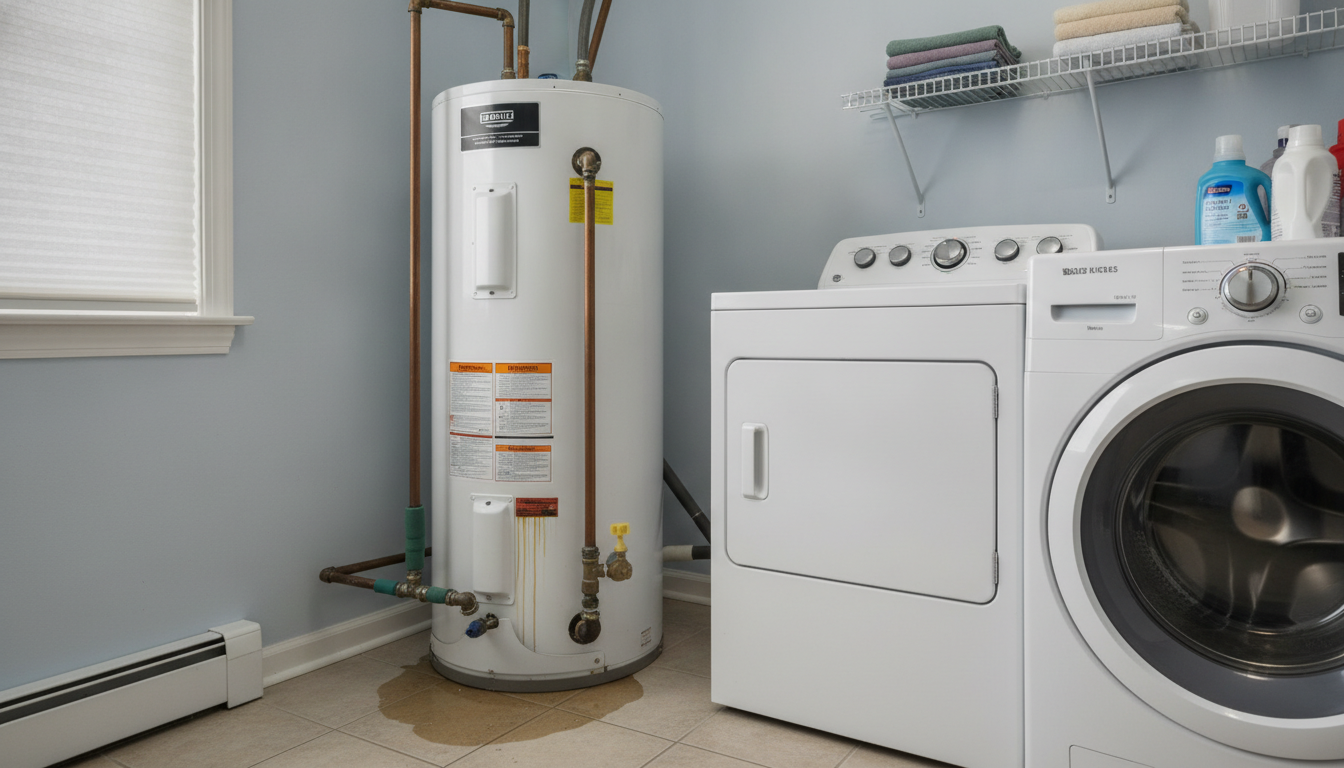
Heat Pump Water Heater vs. Traditional Tank — What Sonoma and Napa County Homeowners Need to Know Before Upgrading
By Josh Anderson • April 3, 2026

Heat Pump Water Heater vs. Traditional Tank — What Sonoma and Napa County Homeowners Need to Know Before Upgrading
With 9+ years of hands-on plumbing experience and a C-36 contractor license, Jeremy Dudley of Brush Creek Plumbing has seen a lot of homeowners get talked into upgrades that didn't actually fit their home, their budget, or their situation. If you're trying to figure out water heater replacement options for your Sonoma or Napa County home, the heat pump versus traditional tank conversation is one worth having carefully — and honestly. This article walks you through the real differences, what costs actually look like, and what questions you should be asking before anyone shows up at your door with a unit in hand.
The Sonoma and Napa County climate plays a role here that a lot of homeowners don't think about until after the install. Heat pump water heaters pull warmth from the surrounding air to heat your water, which means ambient temperature in your garage or utility space matters more than you'd expect. You'll find out exactly how that plays into your decision as you read through.
Why Heat Pump Water Heaters Cost More Upfront — and Less Over Time
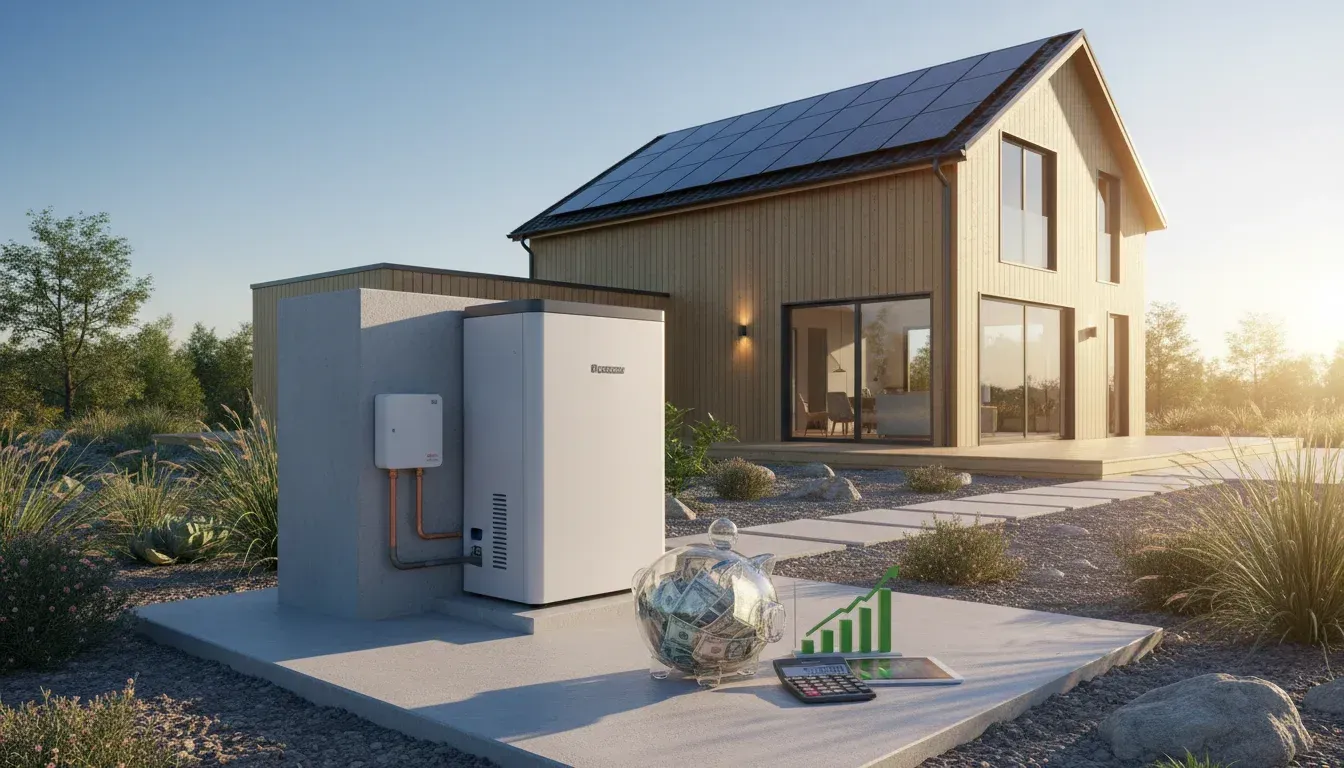
The sticker price on a heat pump water heater is higher than a standard tank unit, and that's the number that stops a lot of people cold. A quality heat pump water heater — Rheem is one of the most widely installed brands in the region — typically runs between $1,100 and $1,800 for the unit alone, before labor and any electrical or venting modifications your space might need. A comparable traditional tank unit often falls in the $500 to $900 range for the equipment itself. So on paper, the heat pump option costs roughly twice as much to get started.
But that's only part of the picture. Heat pump water heaters use electricity dramatically more efficiently than standard electric resistance tank heaters. According to the U.S. Department of Energy, heat pump water heaters can be two to three times more energy efficient than conventional electric water heaters. For a household running a 50-gallon tank, that efficiency difference can translate to meaningful savings on your monthly utility bill over the life of the unit.
There's also the California rebate landscape to factor in. PG&E and other regional utilities have offered rebates on qualifying heat pump water heater installations, and the federal Inflation Reduction Act created additional tax credit opportunities for energy-efficient home upgrades. The actual amounts available to you depend on your specific equipment, your utility provider, and your tax situation — so it's worth checking current offerings before you make a decision. The point is that the rheem heat pump water heater cost vs traditional comparison looks very different once you account for available incentives and the long-term energy savings built into the more efficient unit.
The honest truth is that neither option is universally better. It depends on your home setup, your energy usage, and how long you plan to stay in the house. That's exactly the kind of conversation a straight-shooting plumber should be having with you — not just pushing the higher-ticket item because the margin is better.
What Your Garage or Utility Space Actually Needs for a Heat Pump Installation
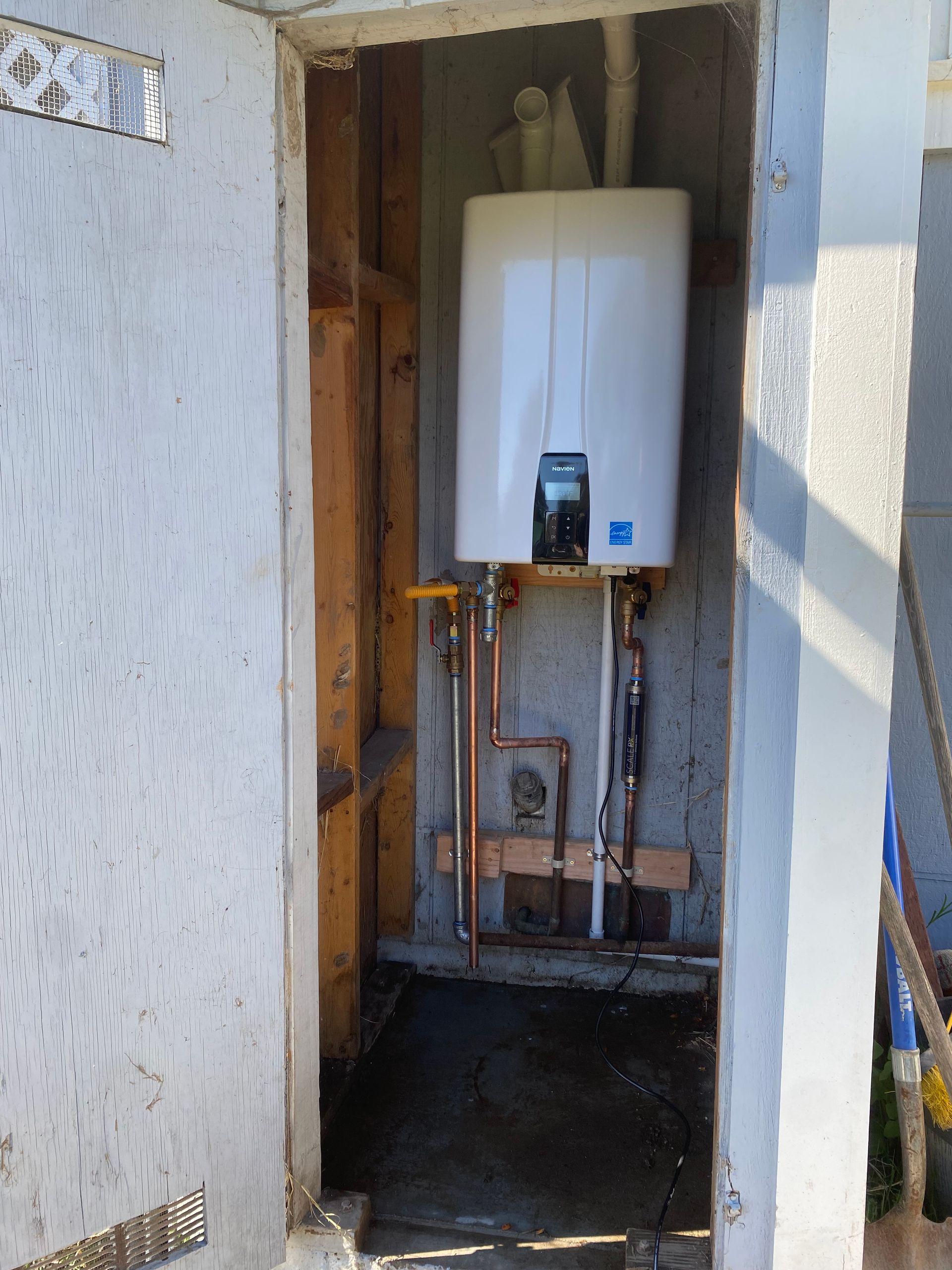
This is the part of the heat pump water heater conversation that too many contractors gloss over in Sonoma and Napa County, and it's where homeowners end up frustrated. Heat pump water heaters require adequate space to operate efficiently — most manufacturers recommend at least 700 to 1,000 cubic feet of air space around the unit so it has enough warm air to pull from. They also produce cool, dehumidified air as a byproduct, which can actually be a bonus in a warm Napa Valley summer but a nuisance in a tight, cold garage during a wet Sonoma County winter.
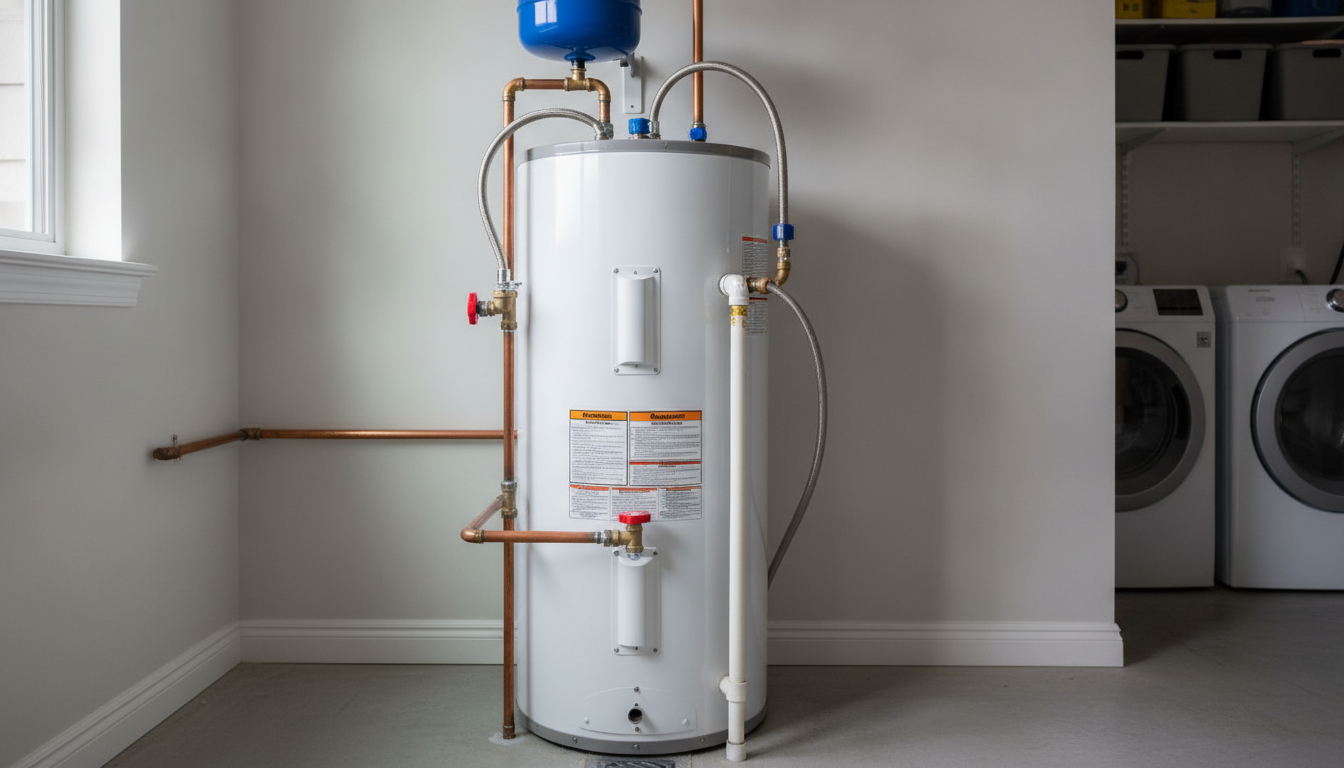
They're also taller than standard tank units. A 50-gallon heat pump water heater typically stands around 60 to 66 inches tall, compared to a standard tank that might be closer to 54 to 58 inches. If your water heater is tucked under a low ceiling or in a closet, that height difference might rule out a straight swap without modifications.
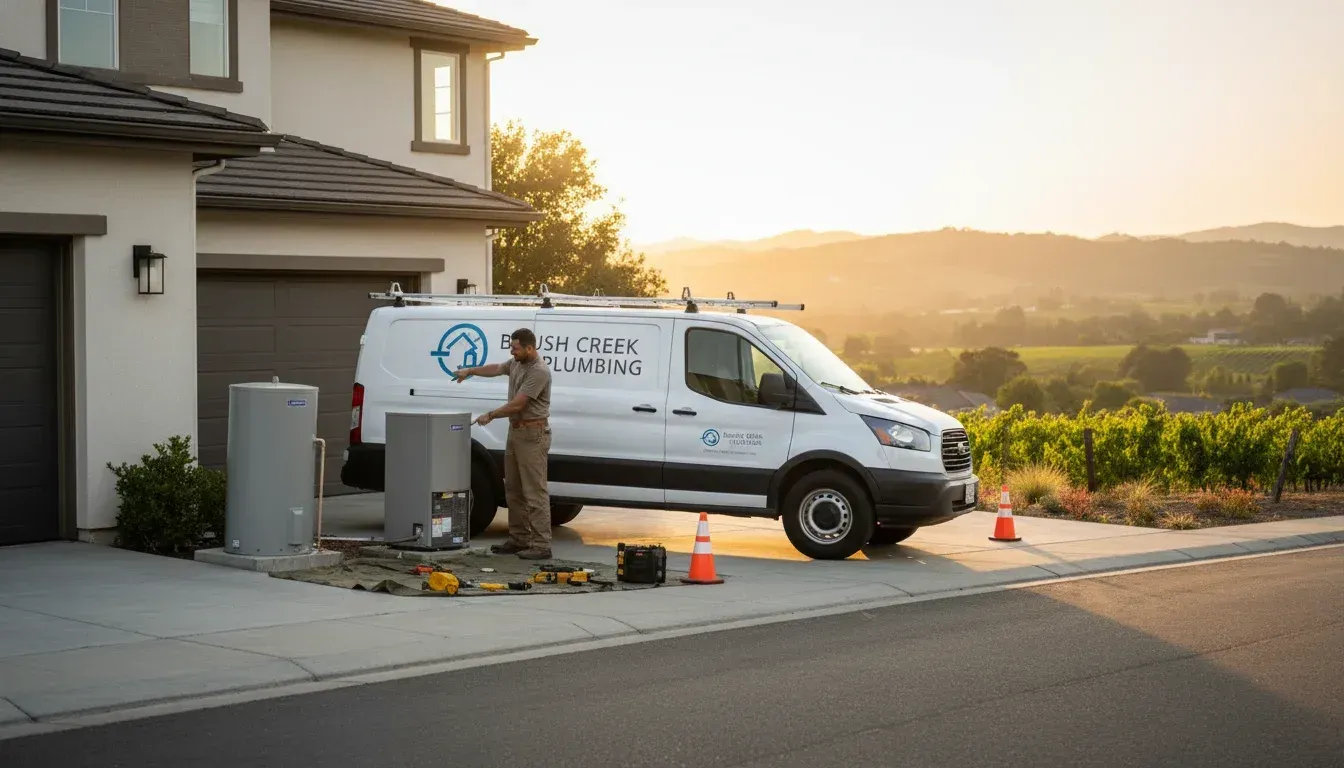
Jeremy Dudley takes the time to actually look at your space before recommending a unit — not after the equipment is already on the truck. That approach is part of what sets Brush Creek Plumbing apart from the operations that send out a crew with a predetermined solution and a pressure pitch. The goal is to understand your home the way you'd want a family member to understand it before giving advice.
You can get a full sense of that approach at Brush Creek Plumbing's website , where the services and philosophy are laid out plainly. No upsell language, no vague promises — just a clear picture of what the work involves and what you can expect.
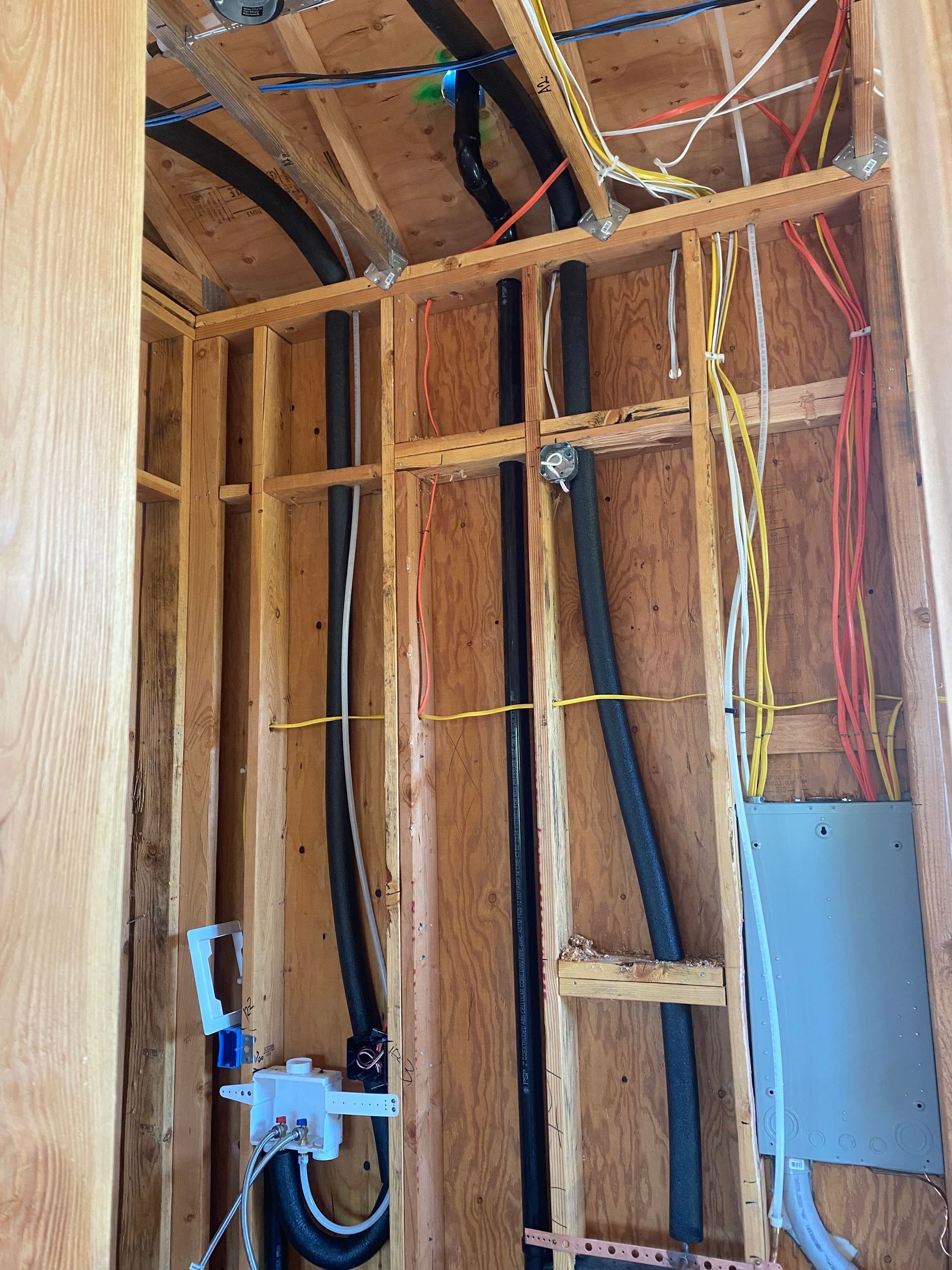
Electrical requirements are another consideration. Most heat pump water heaters require a dedicated 240-volt circuit. If your current setup runs on natural gas or if your panel needs an upgrade, that adds to the overall project scope. It's not a dealbreaker, but it needs to be part of the honest conversation upfront so there are no surprises when the invoice arrives.
Where Traditional Tank Water Heaters Still Make More Sense in Napa and Sonoma Homes
The heat pump water heater isn't the right answer for every home in Sonoma County, Napa County, or the surrounding communities — and that's not a popular thing to say in an era when everyone is pitching the upgrade. But it's true, and it's the kind of honest assessment that homeowners in places like Petaluma, Healdsburg, and Santa Rosa deserve before they commit.
If your water heater lives in a small, enclosed indoor closet with limited air volume, a heat pump unit will struggle to operate efficiently. In that situation, you may spend more on the unit and the necessary modifications than you'd ever recover in energy savings. A high-efficiency gas tank unit or a tankless gas heater might be the smarter call depending on your home's layout and your existing gas infrastructure.
For households with very low hot water demand — a single person or a couple in a smaller home — the payback period on a heat pump unit stretches out considerably. The efficiency advantage is real, but it compounds more meaningfully for households that are running multiple showers, a dishwasher, and laundry in the same day. A family of 4 or more in a larger Napa County home is going to see that energy difference add up much faster than a retired couple in a smaller Sonoma Valley property.
Brush Creek Plumbing holds a C-36 plumbing contractor license and brings experience across all water heater types — from standard gas tank units to heat pump installations to tankless conversions. That breadth of knowledge means the recommendation you get is based on what actually fits your home, not on what's easiest to install or most profitable to sell.
What Price Gouging Looks Like in the Water Heater Market — and How to Avoid It
This part matters. The water heater replacement market has a real problem with contractors who mark up equipment aggressively, quote inflated labor rates, and push homeowners toward the most expensive option regardless of fit. It's one of the specific practices that Brush Creek Plumbing was built to push back against. When a company isn't being straight with you about pricing or what you actually need, you end up paying for work that either wasn't necessary or wasn't done right.
A fair water heater replacement quote should be itemized enough that you can see what you're paying for the unit, what you're paying for labor, and what any additional materials or modifications will cost. If a contractor gives you a single lump-sum number with no breakdown and resists explaining it, that's worth paying attention to.
For context, a standard traditional tank water heater replacement in the Sonoma and Napa County area — assuming no major complications — typically falls within a range that reflects equipment cost plus a few hours of labor. A heat pump installation takes longer, especially if electrical work or venting changes are involved, and a fair quote will reflect that honestly. The goal isn't a rock-bottom price; it's a fair price for real work done well with quality materials.
Getting multiple quotes helps, but comparing quotes only works if you're comparing the same scope of work. Make sure every contractor is quoting the same unit, the same installation conditions, and the same warranty terms before you decide based on price alone.
Making the Right Call for Your Home in Sonoma or Napa County
Jeremy Dudley opened the doors to Brush Creek Plumbing in January 2025 after earning his C-36 contractor license in July 2024 — and the decision to start the company was rooted in a straightforward belief that homeowners in this region deserve honest work at fair prices. With more than 9 years of consecutive plumbing experience behind him, Jeremy approaches every water heater call the way he'd approach a job in his own family's home: look at the situation clearly, recommend what actually makes sense, and do the work right the first time.
If you're in Santa Rosa, Napa, Petaluma, Marin County, or anywhere across the service area and you're ready to have a real conversation about what your home needs — not a sales pitch — reach out to Brush Creek Plumbing at (707) 931-9481 or brushcreekplumbing@gmail.com. The best water heater for your home is the one that fits your space, your household, and your budget — and figuring that out together is exactly the kind of work this company was built to do.
Table of Contents
SHARE THIS