Why Your Water Heater Stopped Producing Hot Water — And Whether You Need a Repair or Full Replacement


By Josh Anderson April 3, 2026

With 9+ years of hands-on plumbing experience and a C-36 contractor license, Jeremy Dudley of Brush Creek Plumbing has diagnosed more cold-shower situations than most people have hot ones. If you've woken up to no hot water this morning, you're not alone — and more importantly, you're not necessarily looking at an expensive fix. The real question is whether you need a targeted repair or a full water heater replacement — and the answer depends on a few things that are worth understanding before anyone shows up at your door with a price tag.

This article walks you through the most common reasons a water heater stops producing hot water, what to check before calling anyone, how to tell whether a repair makes more sense than a replacement, and what honest, fair pricing for this kind of work actually looks like in the Santa Rosa area and across Sonoma, Napa, and Marin counties.

Water Heater Stopped Heating — What to Check Before You Call a Plumber

Before assuming the worst, there are a handful of things you can check yourself that cost nothing and take less than 15 minutes. Knowing the answers also helps any plumber you call diagnose the problem faster, which keeps labor time — and your bill — lower.

Start with the power source. For electric water heaters, check your breaker panel. A tripped breaker is one of the most common causes of a sudden loss of hot water, and resetting it takes about 10 seconds. If it trips again right away, that's a signal of a deeper electrical issue worth investigating, but at least you know where to look. For gas water heaters, check that the pilot light is lit. Most modern units have an ignition window you can peek through, and the lighting instructions are usually printed right on the unit itself.

Next, check your thermostat setting. Water heaters have temperature dials that can drift or get bumped, especially if the unit is in a busy utility room or garage. The recommended setting for most residential units is 120 degrees Fahrenheit — low enough to prevent scalding, high enough to give you a reliable supply of hot water. If yours has been turned down significantly, that alone could explain why your showers feel lukewarm.

Also check your water supply valve. It sounds obvious, but the shut-off valve near the water heater is sometimes accidentally closed during other work in the area, cutting off the cold water feed that the heater needs to function. If the valve is partially or fully closed, you'll get little to no hot water at the tap regardless of how well the heater itself is working.

If all of those check out and you're still asking yourself "water heater stopped heating, what to check next," then it's time to think about the components inside the unit — and that's where a licensed plumber becomes genuinely useful.

The Difference Between a Fixable Component Failure and a Unit That's Done

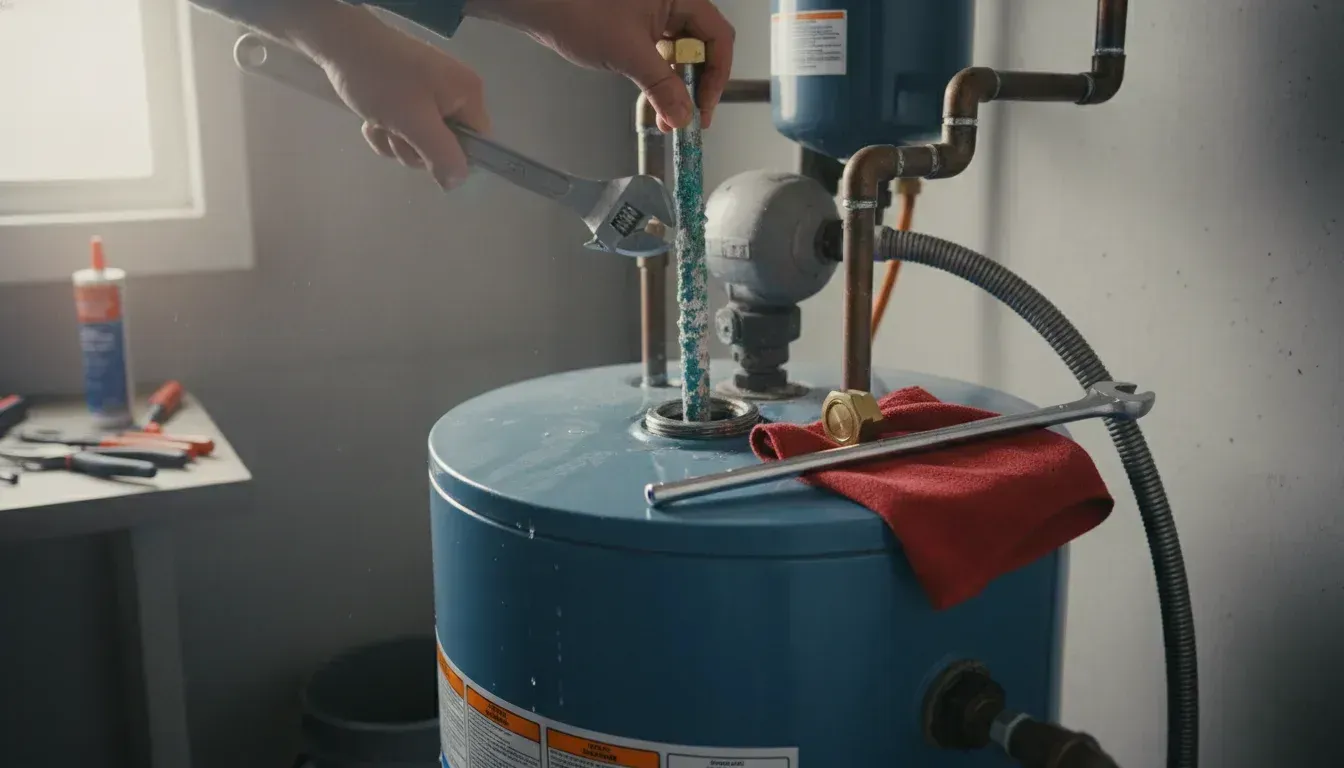
Most water heaters that stop heating have one of a few things going wrong inside: a failed heating element (electric units), a burned-out thermocouple or gas valve issue (gas units), a failing anode rod that has led to internal corrosion, or sediment buildup so severe it's insulating the heat exchanger from the water. Every one of those issues has a different cost and a different lifespan implication.

A thermocouple replacement on a gas unit, for example, is one of the more affordable repairs in residential plumbing and typically extends the life of the unit meaningfully if the tank itself is in good shape. A failed heating element on an electric unit falls in a similar category. These are repairs worth making if the water heater is under 8 years old and doesn't show signs of corrosion or tank failure.

Sediment buildup is a more nuanced situation. In areas like Napa and parts of Sonoma County, the water supply carries a higher mineral content than people often realize. Over time, calcium and magnesium deposits accumulate at the bottom of the tank, reducing efficiency and eventually shortening the unit's lifespan. A plumber can flush the tank and in some cases restore meaningful performance — but if the buildup is severe and the unit is already past the 10-year mark, flushing it may just delay the inevitable by a few months.

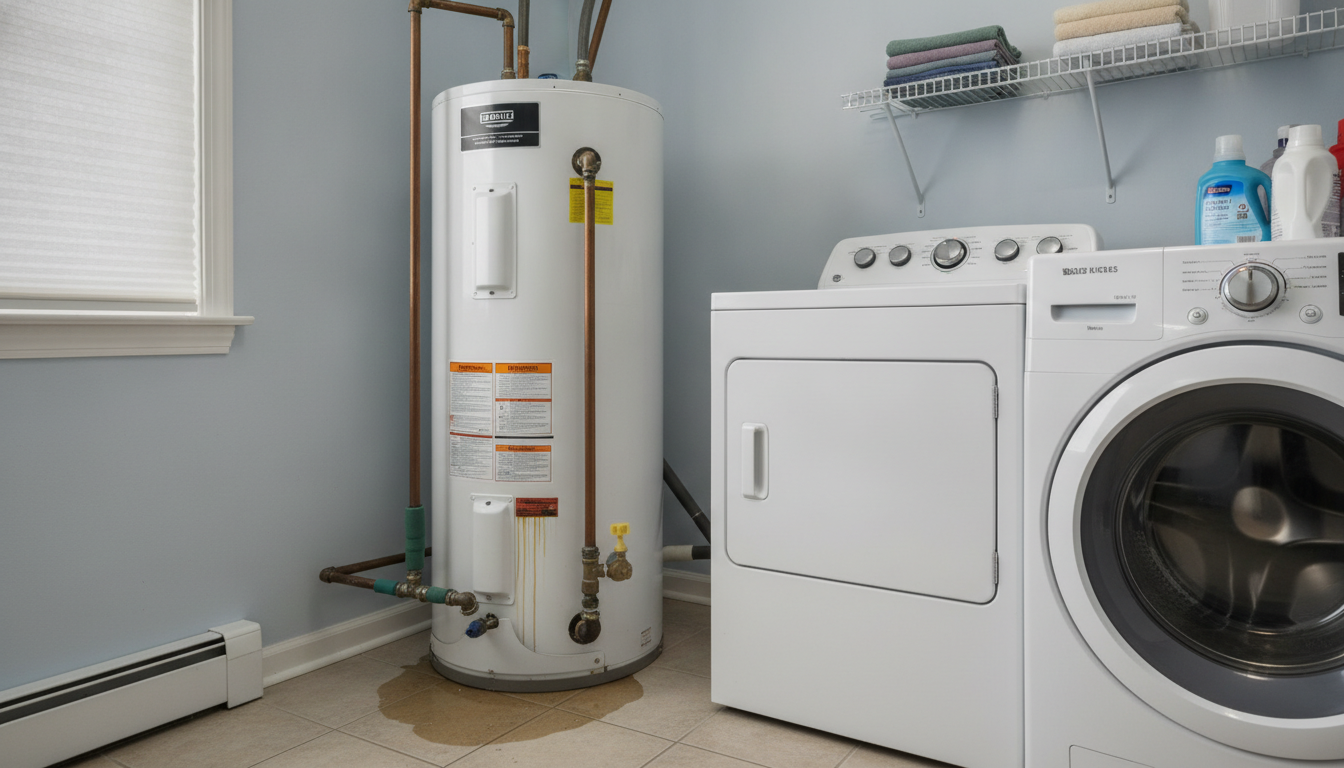
The trickier call is when the tank itself has started to fail. Signs include rust-colored water at your hot taps, a small puddle forming near the base of the unit, or a popping and rumbling noise that doesn't stop after a flush. At that point, no repair addresses the core problem. You're looking at a replacement — and the sooner the better, because a tank that fails completely can cause significant water damage to the surrounding area.

Jeremy Dudley built Brush Creek Plumbing around one principle that shapes how every diagnosis gets handled: be honest about what you actually need. That means you'll never hear an upsell to a full replacement when a $90 part fixes the problem — but it also means you'll hear the truth if the unit is genuinely at the end of its life. That's a rare thing in this industry, and it's worth knowing when you're deciding who to call.

Why Marin County and Sonoma Homes Face Specific Water Heater Challenges

Santa Rosa, Petaluma, and the communities stretching down into Marin County — San Rafael, Novato, Mill Valley, Sausalito — share a few conditions that affect water heater performance in ways that generic advice doesn't always account for.

First, the seismic consideration. California building code requires water heaters to be strapped to the wall to prevent tipping in an earthquake. If your unit was installed more than 15 years ago and you're not sure whether it's properly strapped, that's worth checking. An improperly secured unit isn't just a code violation — it's a real hazard during even a minor seismic event.

Second, the incoming water temperature in this region drops meaningfully during winter months. Colder inlet water means your heater has to work harder to reach your set temperature, which puts more strain on heating elements and gas burners alike. If your water heater starts struggling in December or January, that's not always a sign of component failure — sometimes it's a sign that the unit is undersized for your household or that the thermostat needs a small adjustment for the season.

Third, the mineral content mentioned earlier is a real factor across both Napa County and the inland parts of Sonoma County. Homes on well water face this even more acutely. Whole house filtration systems — something Brush Creek Plumbing installs alongside water heater work — can significantly reduce the rate of sediment accumulation and extend the life of a new unit well beyond the average. It's the kind of context a plumber with a wide range of experience across waste, water, and gas systems brings to a conversation that a single-trade technician simply can't.

You can learn more about Brush Creek Plumbing's full range of services and approach to honest pricing at brushcreek-plumbing.com.

Tank vs. Tankless vs. Conversion — Choosing the Right Replacement When It's Time

If you've determined that a replacement makes more sense than a repair, the next question is what kind of water heater makes the most sense for your home. This is where the conversation gets interesting — and where the choice you make now affects your hot water supply, energy bills, and maintenance needs for the next decade or more.

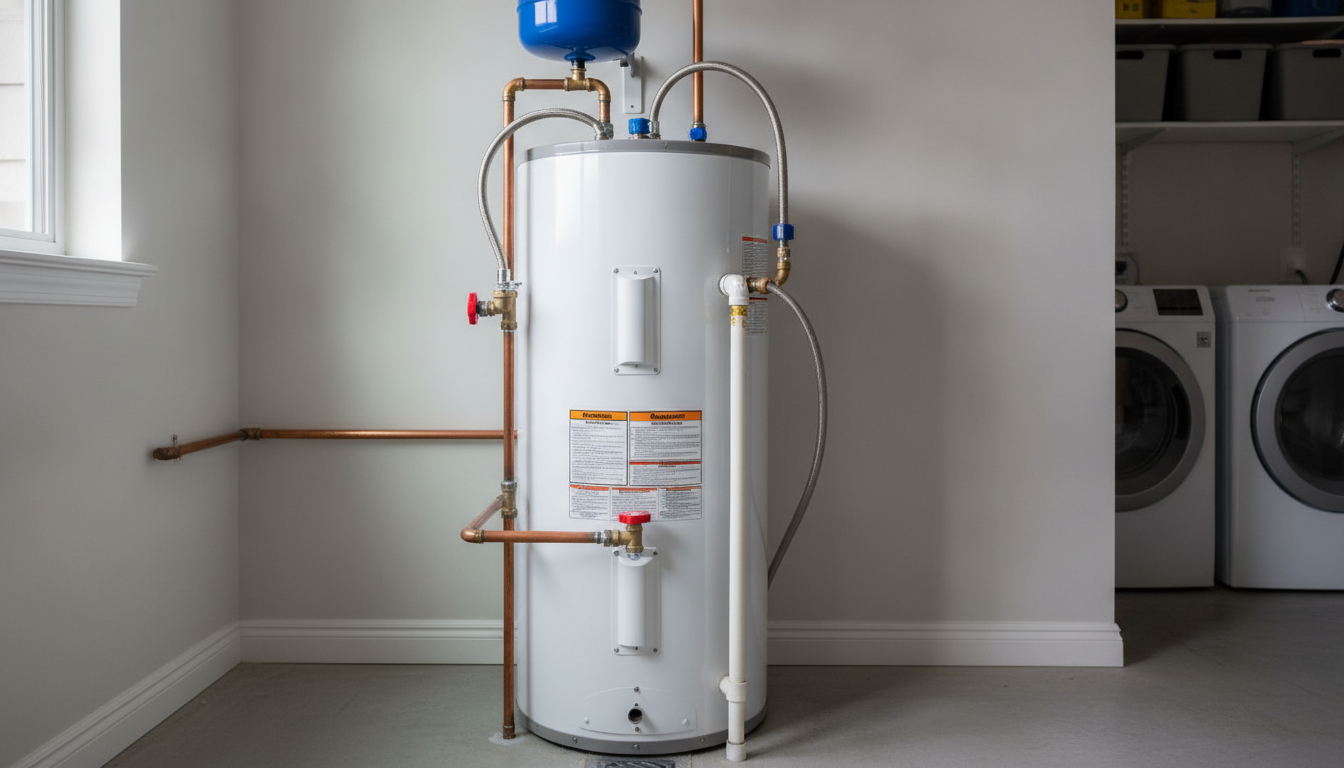
Traditional tank water heaters remain the most common choice in residential settings across Sonoma and Napa counties. They're reliable, they're well understood, and when sized correctly for your household, they do the job without drama. The tradeoff is standby heat loss — the energy spent keeping 40 to 50 gallons of water hot around the clock even when you're not using it. For homes with consistent daily hot water demand, this is rarely a problem. For vacation homes or households with highly variable usage patterns, it can mean paying to heat water that never gets used.

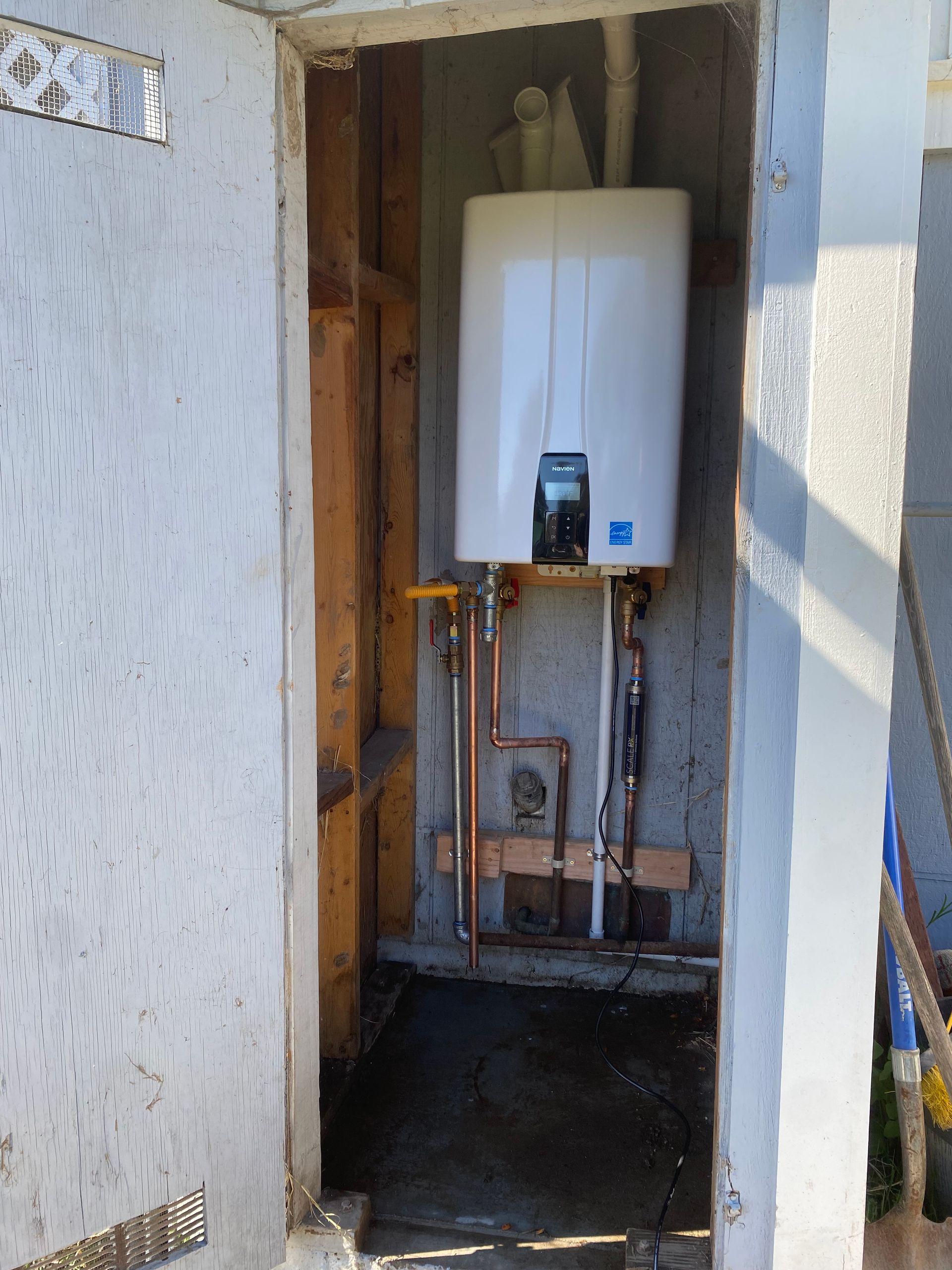
Tankless water heaters — both gas and electric — heat water on demand and eliminate standby loss entirely. They tend to have a higher upfront cost and require more involved installation, particularly when converting from a tank unit, but the long-term operating efficiency can be meaningful for households with high hot water usage. Gas tankless units typically require a larger gas line than most homes already have, so a conversion isn't plug-and-play — it involves gas line work that needs to be done correctly and up to code.

Heat pump water heaters are another option gaining traction in California, partly due to state efficiency incentives. They use electricity but operate very differently from a standard electric resistance heater, pulling heat from the surrounding air rather than generating it directly. They perform best in unconditioned spaces like garages where ambient air temperature stays above about 40 degrees Fahrenheit — which covers most Santa Rosa and Napa installations year-round.

Whatever direction you're leaning, the honest answer is that the right choice depends on your home's gas line configuration, your electrical panel capacity, your household size, and how you use hot water day to day. A plumber who takes the time to understand all of that before recommending a unit is doing their job. One who quotes you a replacement before asking a single question about your home is the kind of price-first, quality-last approach that Brush Creek Plumbing was opened specifically to push back against.

A Licensed Plumber You Can Trust With Your Family's Home

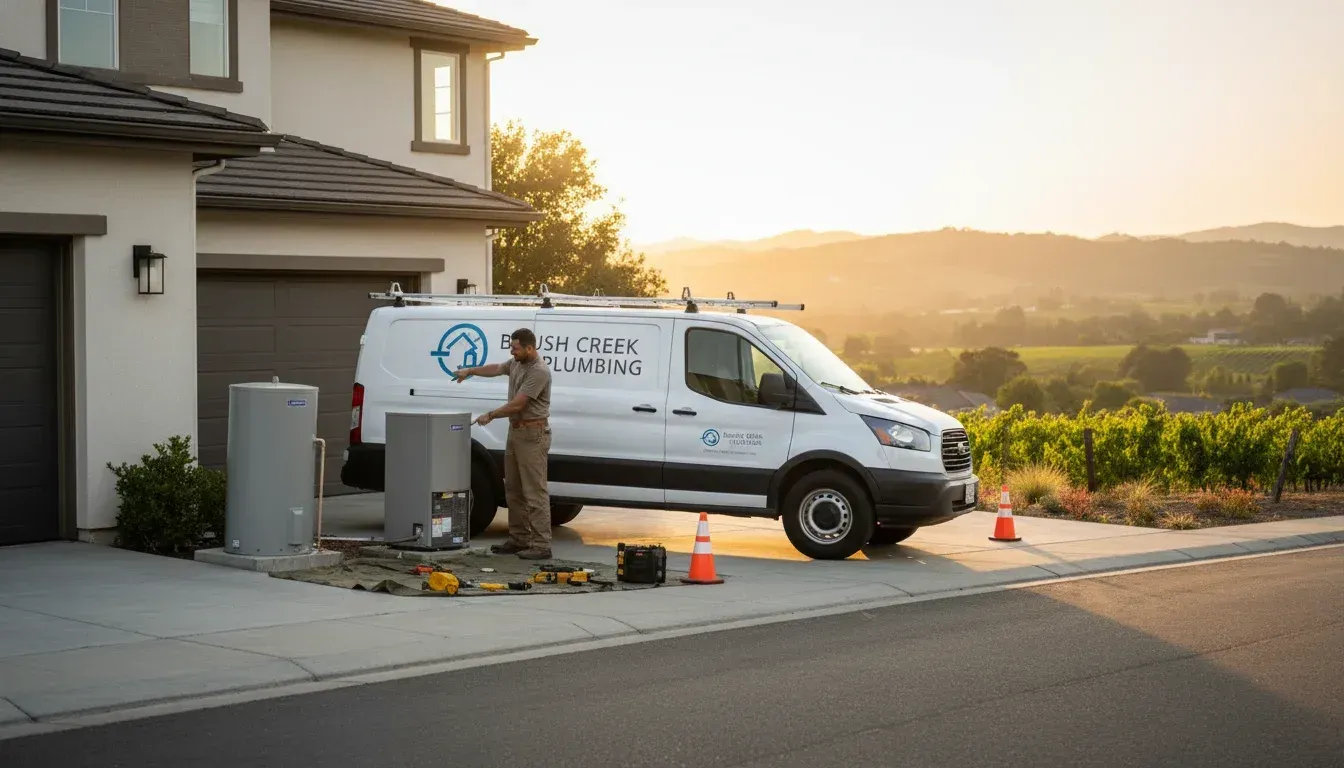
Jeremy Dudley earned his C-36 plumbing contractor license in July 2024 and opened Brush Creek Plumbing's doors in January 2025 — bringing 9+ years of consecutive plumbing experience to a company built from the start on one commitment: treat every customer's home the way you'd treat your own family's.

That's not a tagline. It's the reason Brush Creek operates with a small, tight crew where every person on the job genuinely cares about the quality of what gets left behind. It's why you'll get a straight answer about whether you need a repair or a replacement, what it will actually cost, and what the right product is for your specific situation — not the highest-margin option on the shelf.

If your water heater has stopped heating and you're in Santa Rosa, Napa, Marin County, or anywhere across the service area, the next step is a conversation with people who will be honest with you from the first call to the final walkthrough. That's what Brush Creek Plumbing is here for.

Table of Contents

No headings found on this page.
Need a plumber?

We're local. We're fast. Let's talk.

SHARE THIS

Latest Posts

By Brush Creek Plumbing April 4, 2026
Brush Creek Plumbing uses camera inspection technology to find hidden plumbing problems before they become expensive disasters. Serving Marin County, Sonoma County, Napa County, and beyond.
By Brush Creek Plumbing April 4, 2026
Slow drains, bad smells, or gurgling pipes? Learn the 5 warning signs you need professional drain clog cleaning in Sonoma County and when to call Brush Creek Plumbing.
April 4, 2026
Not sure if your water heater needs replacing? Brush Creek Plumbing breaks down the warning signs, what to expect from a conversion, and how to avoid getting overcharged in Napa, Sonoma, and Marin County.
By Josh Anderson April 3, 2026
Rheem or AO Smith — which water heater actually lasts in a real home? Brush Creek Plumbing breaks down both brands honestly so you can make the right call before spending a dime.
By Josh Anderson April 3, 2026
Comparing heat pump water heater cost to traditional tank options in Sonoma and Napa County? Brush Creek Plumbing breaks down the real differences so you can make the right call for your home.